Headless Architecture: What It Is and Why Businesses Are Adopting It
In today's rapidly evolving digital landscape, businesses are under constant pressure to deliver exceptional user experiences across an ever-growing multitude of devices and platforms. From traditional websites to mobile apps, smart devices, and emerging IoT platforms, customer touchpoints are diversifying at an unprecedented rate. The conventional, monolithic web development approach, where the frontend (what users see) and backend (content management and data) are tightly intertwined, often struggles to keep pace with these complex demands. This limitation can lead to slower development cycles, inconsistent brand messaging, and difficulty in scaling effectively.
This challenge has led many forward-thinking organizations to explore more agile and flexible solutions. Enter headless architecture – a strategic shift that is fundamentally redefining how companies manage, distribute, and deliver their digital content. By decoupling the presentation layer from the content repository, headless architecture empowers businesses to build highly adaptable, future-proof digital experiences.
This article will guide you through the core concept of headless architecture, delve into its practical benefits, and explain why it's becoming an indispensable tool for businesses aiming to thrive in an omnichannel world. We'll explore the key aspects businesses should evaluate before adoption, how it integrates with emerging technologies like AI, and what considerations are vital for a successful implementation.
Why Headless Architecture Matters Now: Responding to Modern Digital Demands
The digital world has expanded far beyond the desktop browser. Customers now interact with brands through a complex ecosystem of channels: dedicated mobile applications, smart speakers, wearable devices, interactive kiosks, social media platforms, and more. A traditional Content Management System (CMS), where the frontend and backend are tightly coupled, often creates significant barriers to delivering consistent, personalized experiences across all these diverse touchpoints. Each new channel typically requires a separate content instance or extensive custom development, leading to inefficiencies and fragmented user journeys.
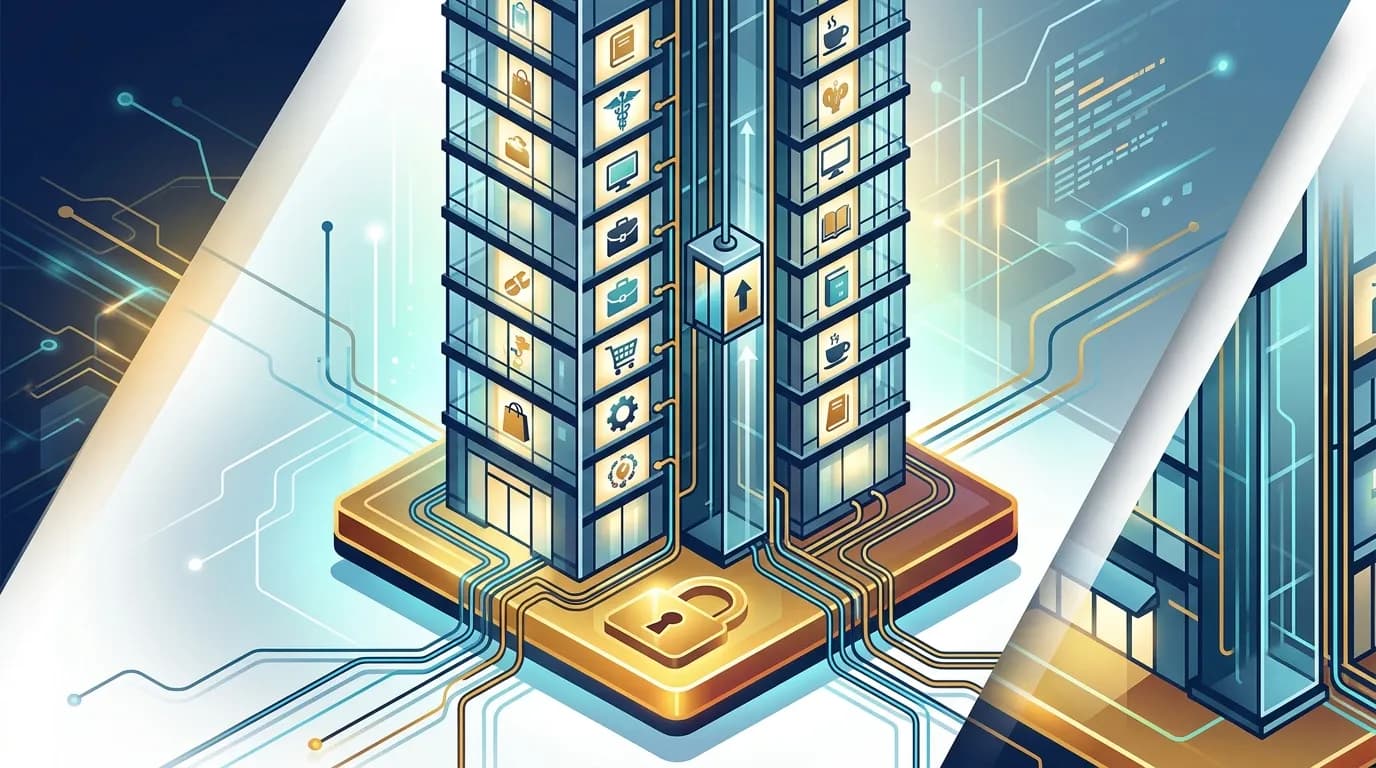
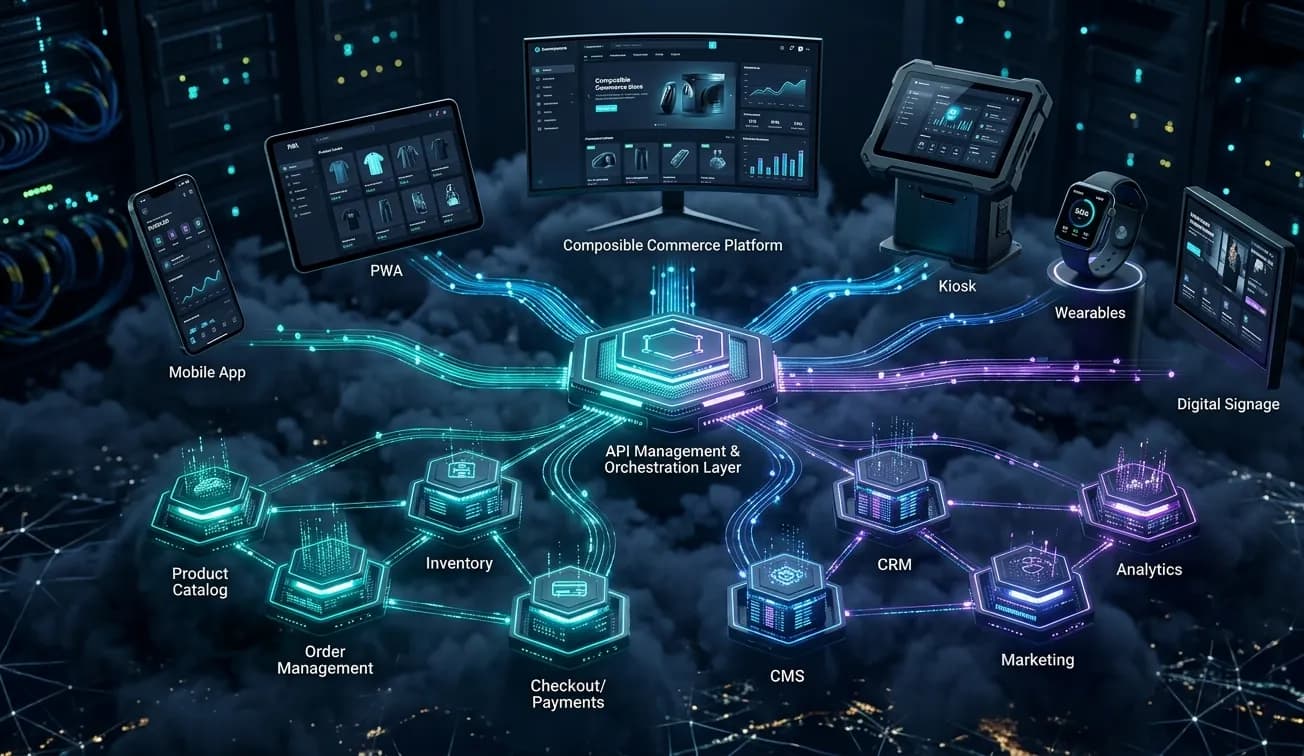
Headless architecture directly addresses this challenge by "decoupling" the frontend from the backend. In essence, it's an API-first approach where your content is stored, managed, and organized in a backend system (the "head" – or presentation layer – is removed). This content is then delivered via robust APIs to any frontend application or device that requests it. This means your content becomes a central, pure data hub that can seamlessly feed websites built with modern frameworks, native mobile apps, smart displays, voice assistants, and even augmented reality experiences, all from a single, unified source.
This fundamental separation is crucial for achieving true omnichannel content delivery. Instead of building and maintaining separate content systems or duplicating efforts for each channel, headless architecture allows you to create content once and publish it everywhere, adapting its presentation to each specific context. This unparalleled efficiency, flexibility, and consistency are precisely what modern businesses need to stay competitive, innovate rapidly, and provide a cohesive brand experience no matter where their customers engage.
Understanding the Core Advantages: What Businesses Should Evaluate First
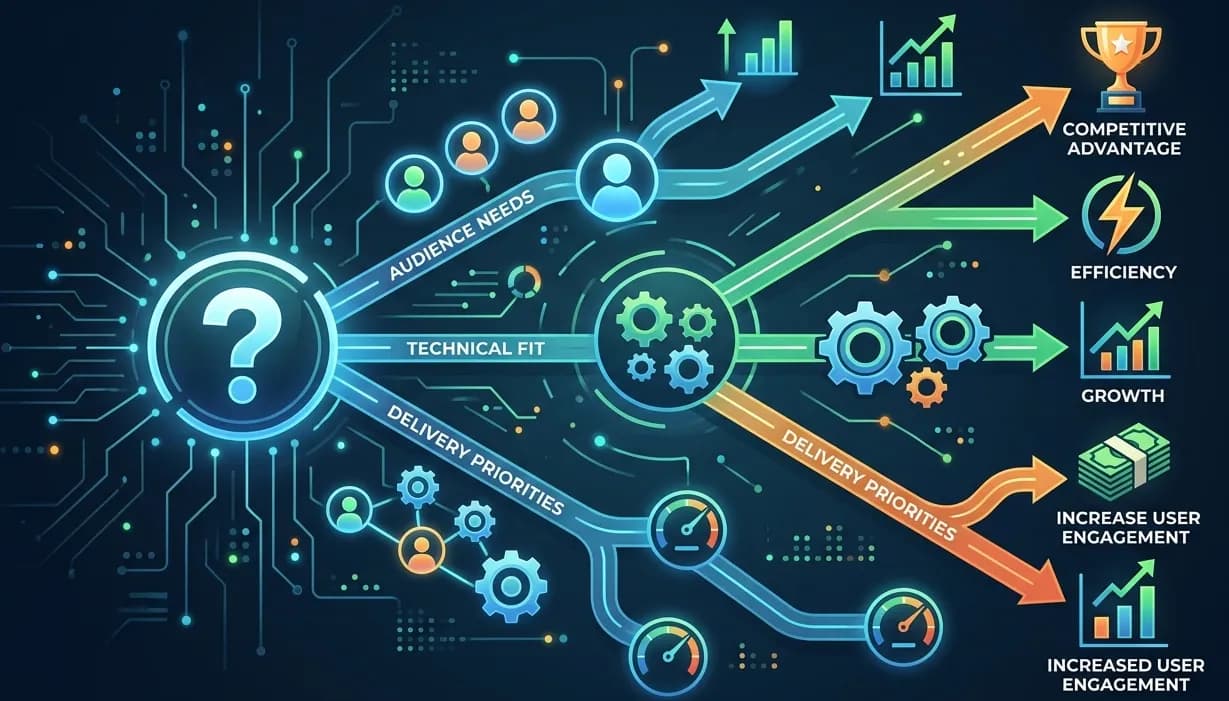
Before committing to any new technology, it's vital to start with a clear understanding of your business goals and the specific challenges you aim to solve. Are you struggling with slow development cycles, inconsistent brand messaging across channels, performance bottlenecks, or difficulty integrating with new technologies? Headless architecture offers several compelling advantages that can directly address these issues, empowering your business to achieve its digital objectives:
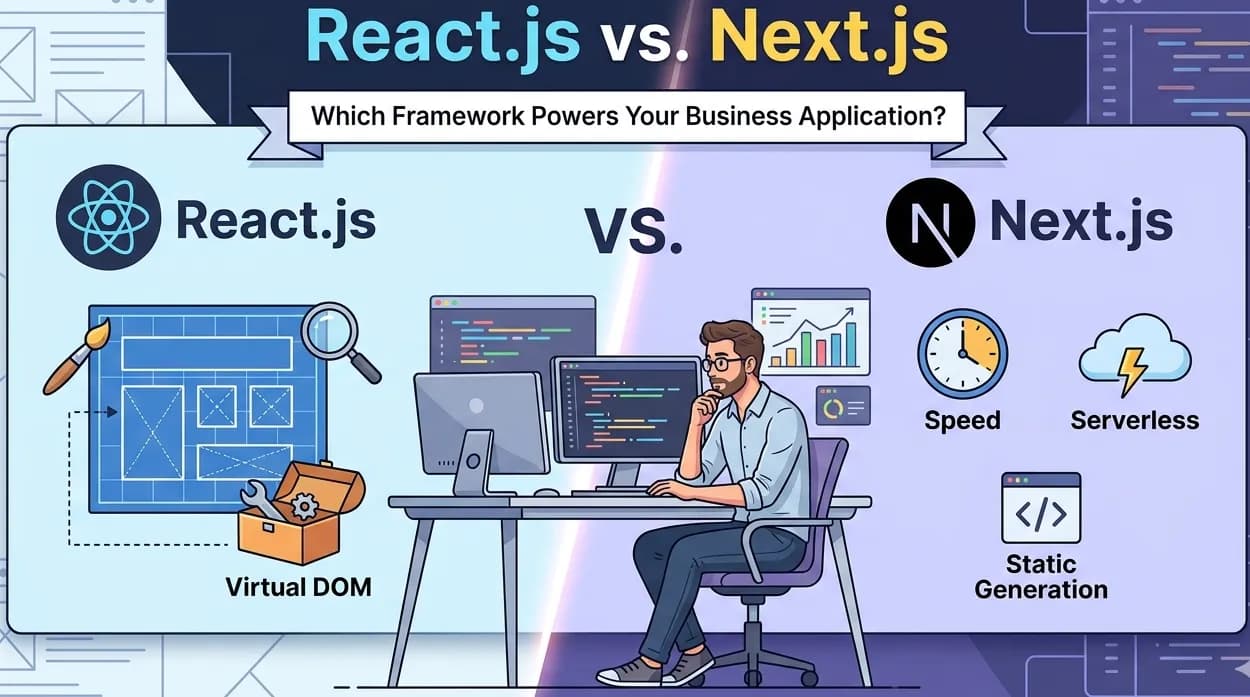
- Unmatched Frontend Flexibility: With a decoupled CMS, your development team gains complete freedom to choose the best frontend technologies for each project. Whether it's a blazing-fast website built with Next.js, a dynamic single-page application using React, or a native mobile app, developers can leverage the most suitable tools without being constrained by the backend. This freedom allows for highly customized user interfaces, faster load times, and superior user experiences tailored to specific devices and audiences.
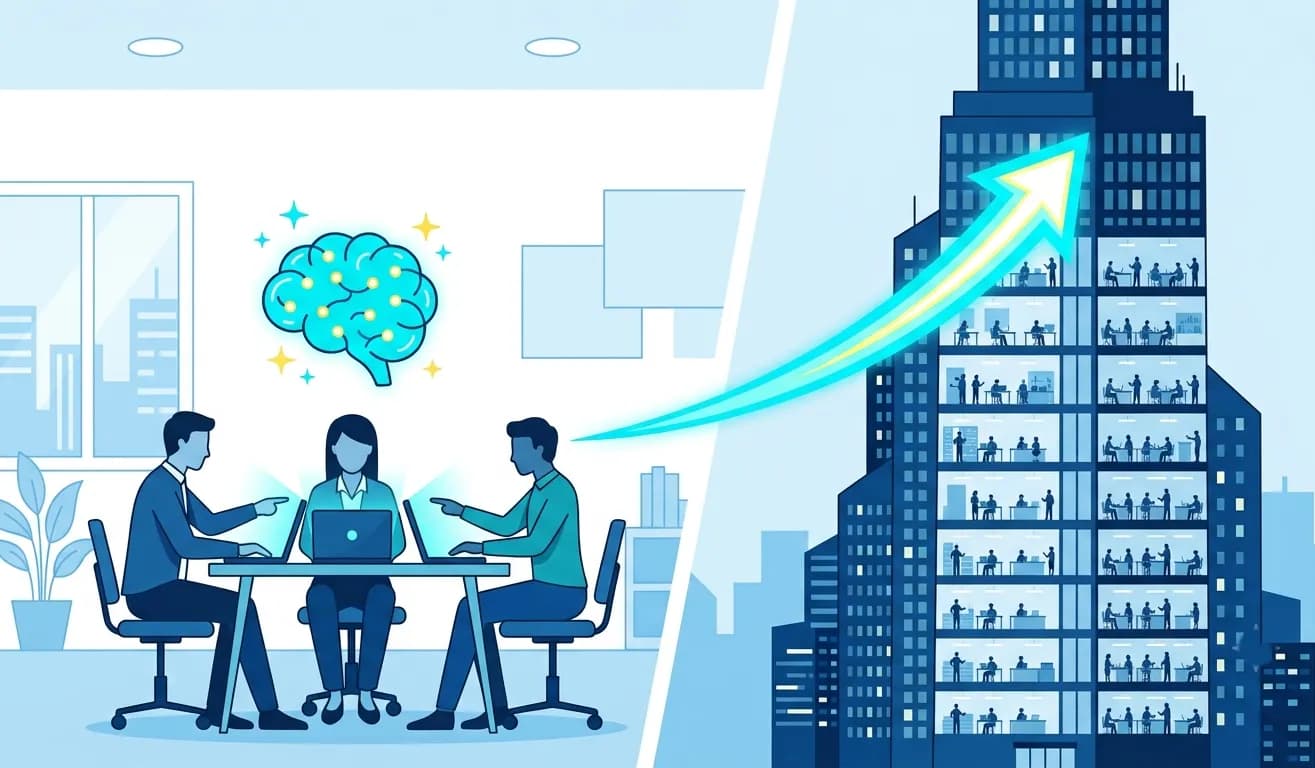
- Enhanced Scalability and Performance: Separating the frontend and backend allows each layer to scale independently. If your website experiences a sudden surge in traffic, your frontend can scale up to handle the load without impacting your content management system, and vice-versa. This independent scaling leads to more robust, high-performing digital platforms that can handle peak demand efficiently.
- Faster Development Cycles: Headless architecture enables parallel workflows. Frontend developers can build user interfaces and experiences while content creators populate the backend with content. This concurrent development significantly speeds up project timelines, allows for quicker iterations, and accelerates the time-to-market for new features, campaigns, and content updates.
- True Omnichannel Content Delivery: As discussed, headless architecture makes it effortless to deliver content to any digital touchpoint. Your content exists as pure, structured data, ready to be consumed by websites, mobile apps, smartwatches, IoT devices, and even future platforms you haven't yet imagined. This ensures brand consistency, maximizes content reach, and provides a seamless customer journey across all channels.
- Future-Proofing Your Digital Stack: By decoupling your content from its presentation, you future-proof your investment. If a new, more efficient frontend technology emerges, you can adopt it without rebuilding your entire content infrastructure. Similarly, if you decide to swap out your backend CMS for a more advanced solution, your existing frontend applications remain unaffected, protecting your long-term technology investments.
- Improved Security: Separating the presentation layer from the content repository can enhance security. The backend content system is not directly exposed to the public internet, reducing potential attack vectors. Frontend applications can interact with the backend via secure APIs, adding an extra layer of protection.
- Easier Integrations: Headless systems are inherently designed for API-first communication, making it significantly easier to integrate with other third-party services like CRM systems, e-commerce platforms, payment gateways, and marketing automation tools. This creates a more cohesive and powerful digital ecosystem.
These benefits collectively contribute to a more agile, efficient, and user-centric digital strategy, making the adoption of a headless CMS a compelling reason for businesses looking to innovate and grow.
Practical Implementation Considerations: A Strategic Approach
Adopting headless architecture isn't merely a technical decision; it's a strategic business move that requires careful planning and execution. To ensure a smooth transition and maximize the value derived, it's crucial to keep recommendations practical, specific, and measurable. Here are key considerations for a successful implementation:
1. Defining Your Content Strategy and Modeling
Before selecting a headless CMS, thoroughly define your content strategy. What types of content do you need? How will it be structured? Headless systems thrive on well-defined content models. This involves breaking down content into reusable components (e.g., a "product" might have fields for name, description, image, price, related items). A robust content model ensures consistency, reusability, and efficient delivery across all channels.
2. Choosing the Right Headless CMS
The market offers various headless CMS solutions, each with different features, pricing models, and capabilities. Evaluate options based on:
- Scalability: Can it handle your current and future content volume and traffic?
- Ease of Use: Is the content authoring experience intuitive for your content team?
- API Capabilities: Does it offer robust, well-documented APIs (REST, GraphQL) that meet your development needs?
- Security Features: What security measures are in place for content storage and API access?
- Integration Ecosystem: How well does it integrate with other tools in your tech stack (e.g., e-commerce, analytics)?
- Cost: Consider licensing fees, hosting, and potential development costs.
3. Assembling the Right Development Team
Implementing headless architecture requires a diverse skill set. You'll need:
- Frontend Developers: Proficient in modern JavaScript frameworks like React, Vue, Angular, or meta-frameworks like Next.js.
- Backend/API Developers: Experienced in building and managing APIs, potentially using frameworks like Laravel or Node.js, to connect the frontend with the headless CMS and other services.
- Content Strategists/Architects: To design effective content models and ensure content is structured for omnichannel delivery.
4. Planning for Content Migration
If you're moving from a traditional CMS, content migration can be a significant undertaking. Develop a clear strategy for how existing content will be extracted, transformed, and imported into the new headless system. This often involves automated scripts combined with manual review.
5. Integrating with Your Existing Ecosystem
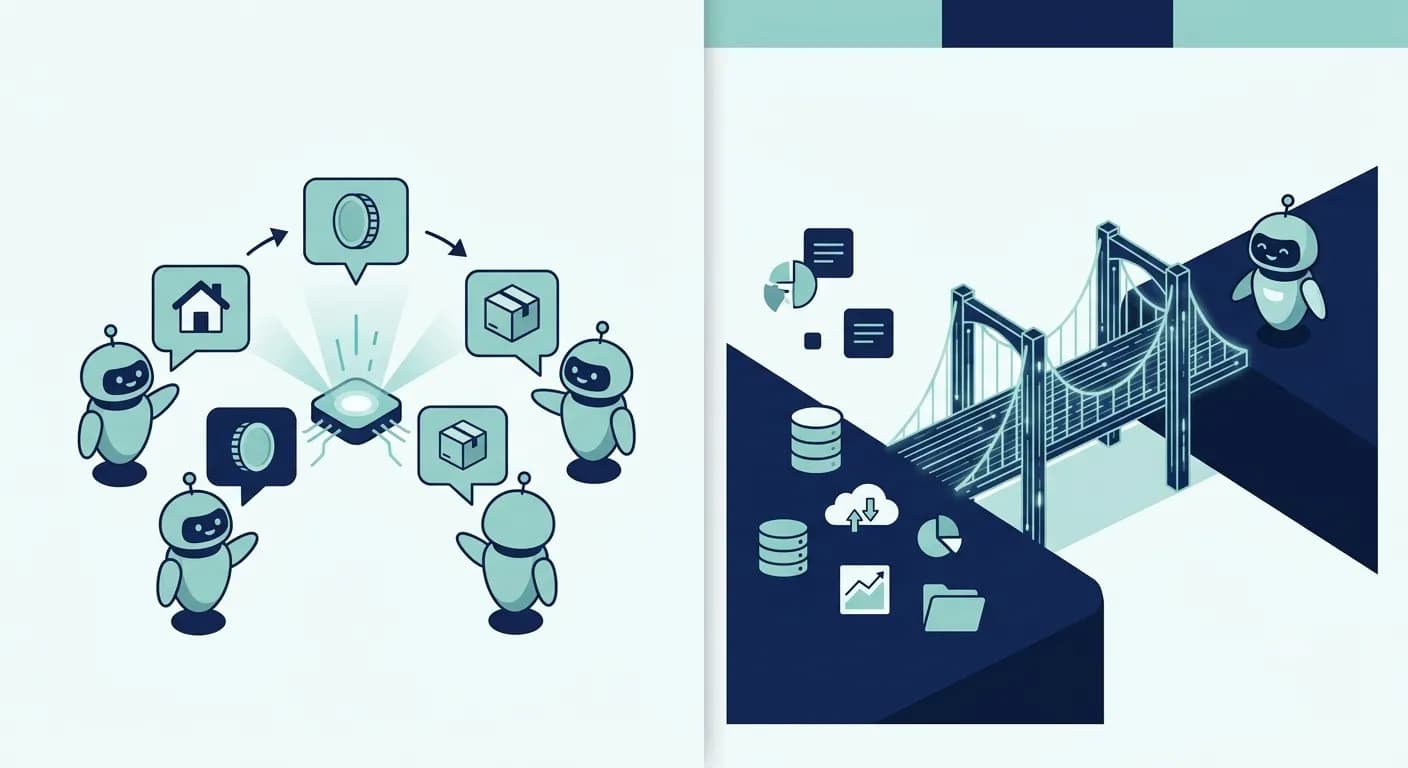
Headless architecture often becomes the central content hub, but it needs to integrate seamlessly with other critical business systems like CRM, ERP, e-commerce platforms, marketing automation tools, and analytics dashboards. Plan these integrations carefully to ensure data flows smoothly and consistently across your entire digital ecosystem.
Headless Architecture and Emerging Technologies: Unlocking New Possibilities
One of the most compelling aspects of headless architecture is its inherent flexibility, which makes it an ideal foundation for integrating emerging technologies, particularly Artificial Intelligence (AI) and Machine Learning (ML). By providing content as pure, structured data via APIs, headless systems enable businesses to:
- Personalized Content Delivery: AI algorithms can analyze user behavior and preferences, then leverage the headless content API to dynamically deliver highly personalized content experiences in real-time across any channel.
- Automated Content Generation & Optimization: AI tools can assist in generating content variations, optimizing headlines, or even translating content, all powered by the structured data from the headless CMS.
- Enhanced Search & Discovery: Machine learning can improve internal search capabilities, making it easier for users to find relevant content by understanding intent rather than just keywords.
- Chatbots and Voice Assistants: Headless architecture provides a unified content source for AI-powered chatbots and voice assistants, ensuring they deliver consistent and accurate information regardless of the user's query method.
- Predictive Analytics: By combining content data with user interaction data, AI can predict future trends and inform content strategy, allowing businesses to proactively create content that resonates with their audience.
This synergy between headless architecture and AI empowers businesses to move beyond static content delivery towards dynamic, intelligent, and truly adaptive digital experiences.