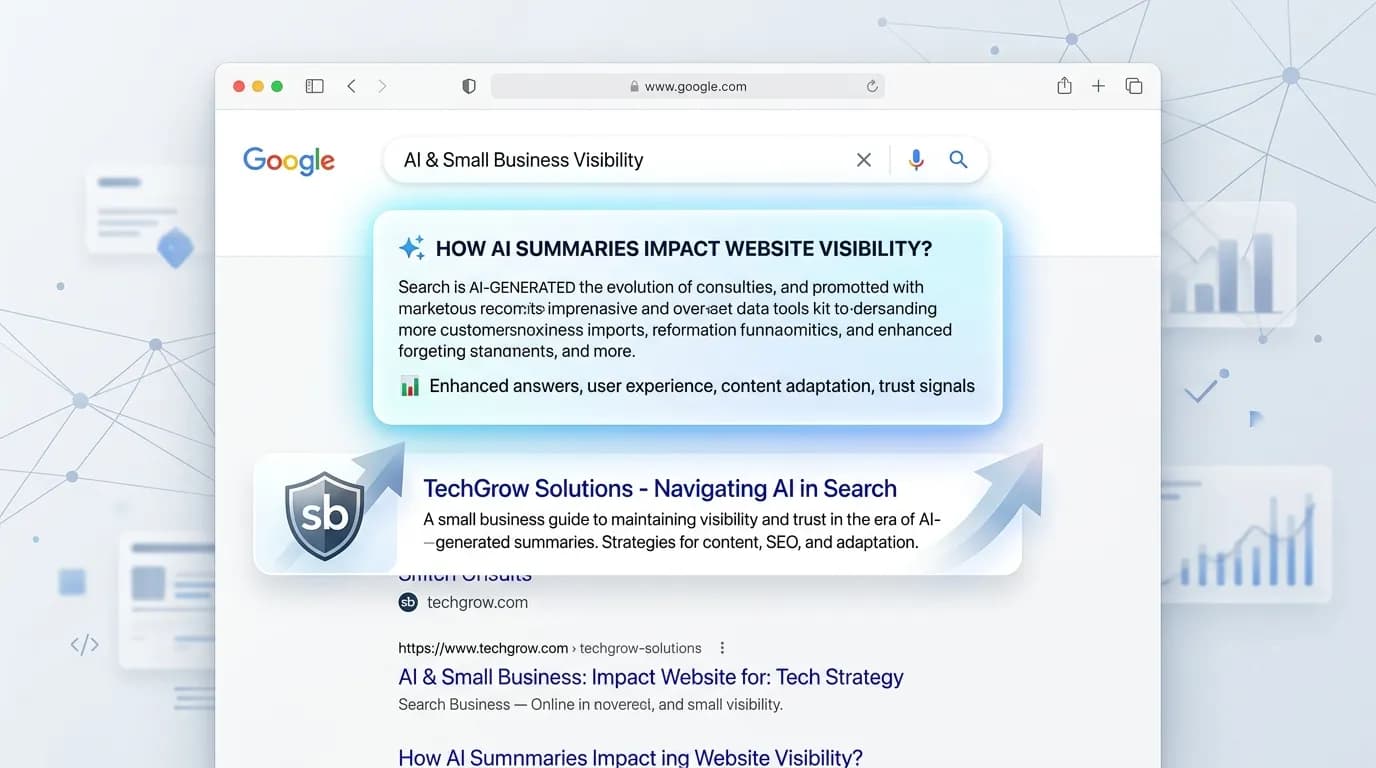
Search is changing faster than most businesses can keep up with. AI-generated summaries now appear at the top of search results for a growing share of queries — answering the user's question before they ever click through to a website. For businesses that rely on organic search traffic, this shift is a real concern. But it isn't the end of SEO. It's a new set of rules, and the businesses that understand them early will be the ones still getting found.
At Elite Web Technologies, we've been adapting our own SEO strategy — and our clients' — to this AI-first search landscape. In this article, we break down what's actually happening, why clicks are dropping, and what you can do about it.
What Are AI Overviews, and Why Are They Cutting Clicks?
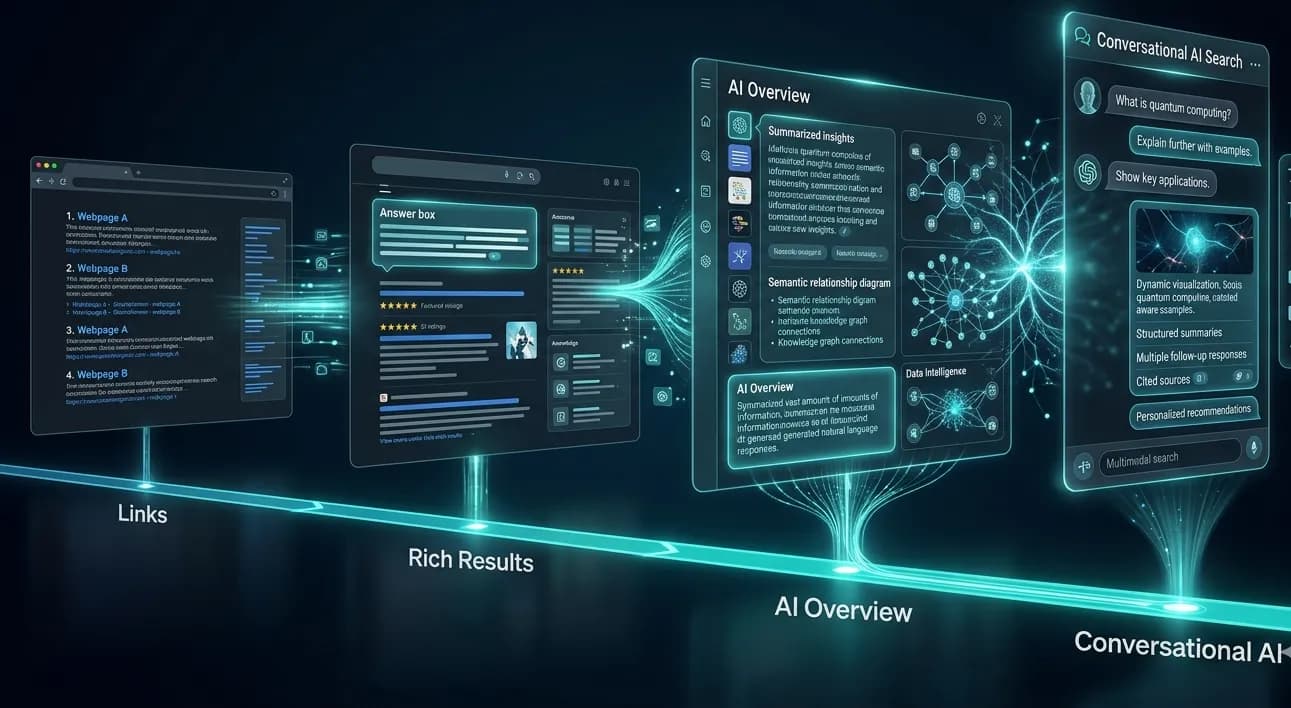
AI Overviews are AI-generated summaries that appear directly in search results, pulling information from multiple sources to answer a user's question on the spot. Instead of scrolling through links, users often get their answer immediately — without visiting any website at all.
The impact on organic traffic is measurable. Industry data suggests AI-generated summaries can reduce organic clicks on the top-ranking search result by an average of 34.5%. That's a significant chunk of traffic disappearing before it ever reaches a business's website — even for pages that rank in position one.
Why This Is Happening
- Search engines want to keep users on-platform. Answering questions directly reduces the need for users to leave the results page.
- AI systems can now synthesize information from multiple sources instantly, making a single summary feel more efficient than clicking through several links.
- User behavior is shifting toward "answer-seeking" rather than "browsing" for straightforward, factual queries.
- Zero-click search is becoming the norm for informational queries, while commercial and high-intent searches still tend to drive clicks.
Who Is Losing Clicks — and Who Isn't
Not every type of content is affected equally. Understanding this distinction is key to adjusting your strategy correctly.
- Generic informational content (e.g., "What is X?") — High impact. Often fully answered inside the AI summary, so there's little reason left to click through.
- Comparison and "best of" content — Moderate impact. Summaries may reference these sources, but users often still click through for deeper detail before deciding.
- Commercial/high-intent content (pricing, services, local business listings) — Lower impact. Users still want to visit the actual site to take action or convert.
- Original data, case studies, and first-hand experience — Lower impact. AI systems can't fully replicate unique insights that don't exist anywhere else, so they tend to cite and link out instead.
The pattern is clear: the more replaceable your content is, the more clicks you lose. The more original and specific it is, the more you retain.
How to Stay Visible When AI Overviews Are Taking the Clicks
The businesses adapting successfully aren't fighting AI Overviews — they're positioning themselves to be the source AI systems cite, and building value that summaries can't replace.
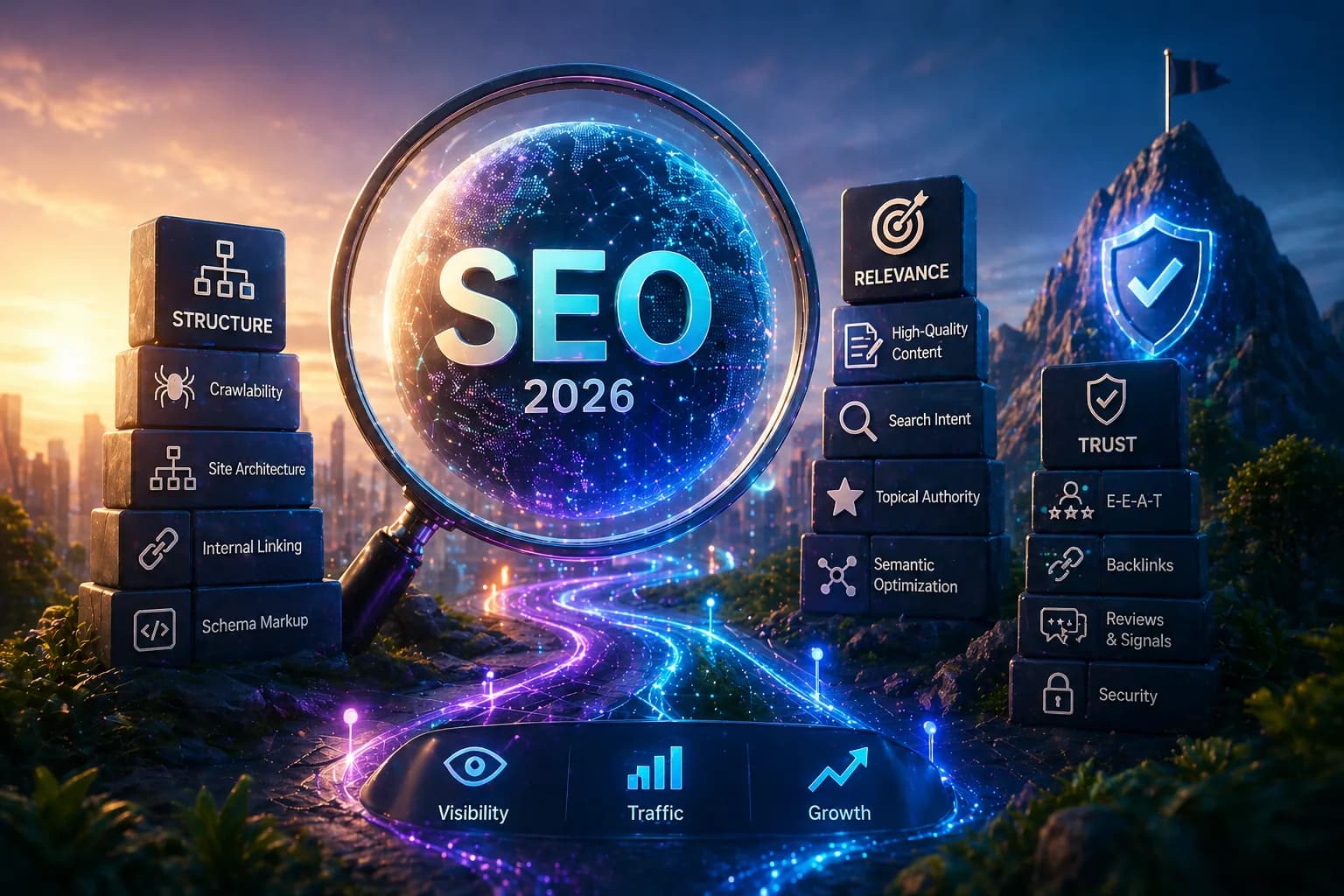
Key Strategies for 2026
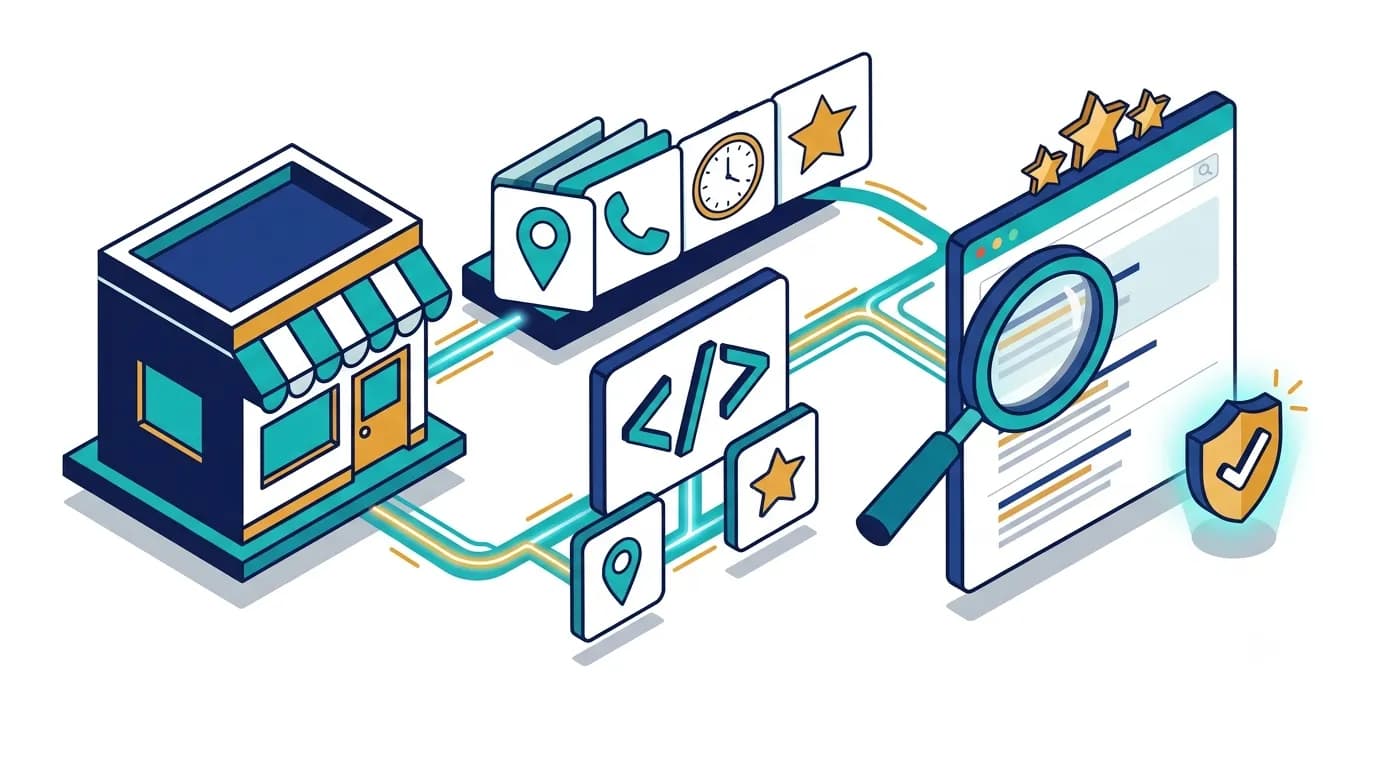
- Build entity clarity. Make sure your business name, services, founder details, and profiles say the same thing consistently across your website, Google Business Profile, and social platforms. This helps AI systems correctly identify and trust your brand.
- Create citable, structured content. Use clear headings, direct answers near the top of the page, and well-organized sections — this makes your content easier for AI systems to extract and credit.
- Invest in original data and first-hand experience. Case studies, proprietary research, and real client results can't be summarized away because they don't exist anywhere else.
- Strengthen EEAT signals. Real author bios, transparent company information, reviews, and demonstrated expertise all help build the trust that both search engines and AI systems weigh heavily.
- Use FAQPage and structured schema markup. Structured data helps AI search tools understand and cite your content accurately.
- Focus on commercial and high-intent pages. Prioritize your service pages, pricing pages, and location pages — these retain click-through value even as informational content gets summarized.
- Grow branded search. The more people search for your business by name, the stronger the trust signal to both search engines and AI systems.
Industry Highlight: AI search tools don't answer a single query — they often generate a spread of related "fan-out" queries behind the scenes to gather information. Businesses that create content answering the full cluster of related questions, not just the primary keyword, are more likely to be cited as a trusted source.
What This Means for Your Business
A drop in raw click volume doesn't have to mean a drop in business results. The goal now is to:
- Attract fewer, but more qualified, clicks from users with real commercial intent
- Get cited and referenced inside AI Overviews to build brand visibility, even without a click
- Build a recognizable, trusted brand that people seek out directly by name
- Shift some SEO focus toward revenue-driving pages rather than purely informational blog volume
Final Thoughts
AI Overviews are reshaping search, but they aren't eliminating opportunity — they're redefining what visibility looks like. Businesses that build clear digital identities, create original and citable content, and strengthen trust signals will continue to be found — by both search engines and the AI systems now standing between users and the open web. At Elite Web Technologies, we help businesses adapt their SEO strategy to this new landscape, so visibility keeps translating into real growth.
Want to make sure your business stays visible as search keeps changing?Contact Elite Web Technologies to review your SEO strategy.