SEO Trends 2026: Navigating the Evolving Digital Landscape for Business Growth
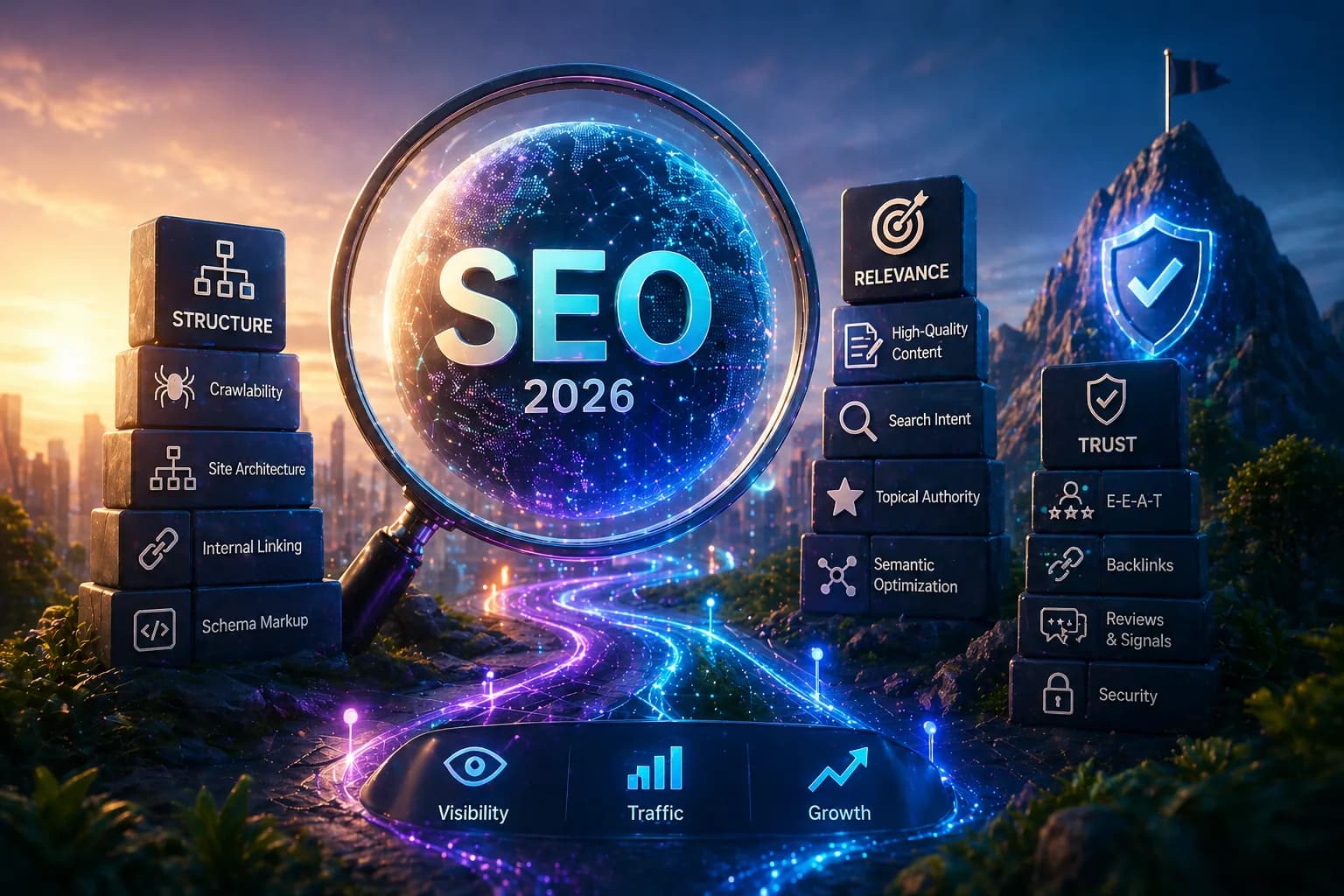
The digital landscape is in constant flux, and search engine optimization (SEO) is no exception. As we look towards 2026, the pace of change is accelerating, driven by advancements in artificial intelligence, evolving user behaviors, and search engines' continuous refinement of how they evaluate and rank content. For business owners, marketing managers, and SEO leads, understanding these shifts isn't just about staying competitive—it's about securing future visibility and sustainable growth.
This article provides an actionable guide to the key SEO trends anticipated for 2026, offering practical steps to adapt your strategy, enhance your search visibility, and ensure your business thrives in the evolving digital ecosystem. Our focus is on tangible actions that align with your business goals, not just theoretical concepts.
Why SEO Trends 2026 Matters Now for Your Business
Proactive adaptation is crucial in SEO. Waiting until new trends are fully established means playing catch-up, which can be costly and impact your market position. By evaluating upcoming shifts now, businesses can strategically adjust their efforts, ensuring they build a robust digital foundation that withstands algorithm updates and capitalizes on new opportunities. This forward-thinking approach directly translates to improved online presence, higher organic traffic, and ultimately, better business outcomes. Staying ahead means your business can continue to reach its target audience effectively, convert leads, and maintain a strong competitive edge.
What Businesses Should Evaluate First: Key Trends for 2026
To prepare effectively, businesses must first understand the core trends shaping the future of search. Here’s what to prioritize:
1. AI-Driven Search & Generative Experiences (SGE)
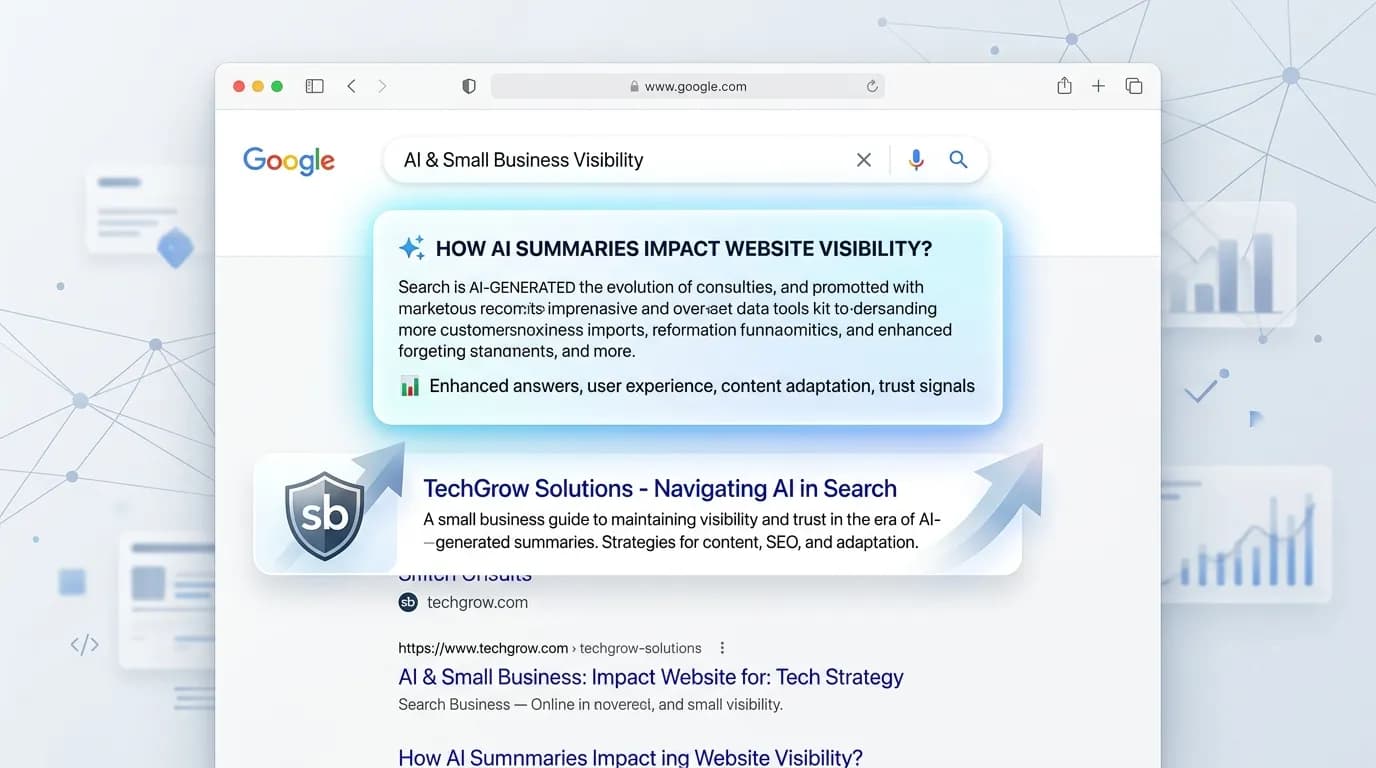
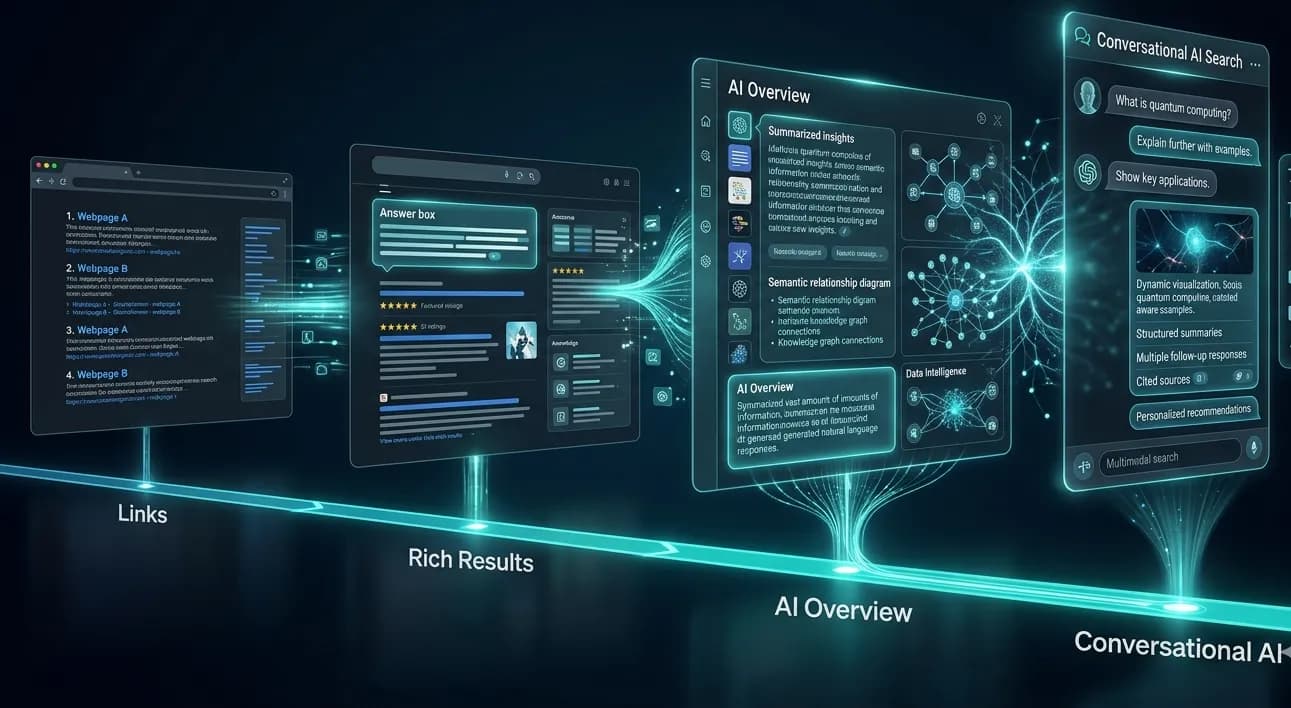
Search engines are increasingly integrating AI to provide more direct, comprehensive answers, often through generative AI overviews and refined featured snippets. This means users may find answers without clicking through to a website, making visibility in these AI-powered results paramount. The goal is to be the authoritative source that AI systems reference and summarize.
Action Checklist:
- Optimize for Direct Answers: Structure your content to directly answer common questions. Use clear headings, bullet points, and concise summaries that AI can easily extract. Think about "People Also Ask" sections and how your content can provide definitive answers.
- Implement Structured Data (Schema Markup): Enhance your technical SEO by using relevant schema markup (e.g., FAQ schema, How-To schema, Product schema). This helps search engines and AI understand the context and specific entities within your content, increasing the likelihood of appearing in rich results and AI overviews.
- Focus on E-E-A-T (Experience, Expertise, Authoritativeness, Trustworthiness): AI models are trained on vast datasets and prioritize credible, high-quality information. Ensure your content demonstrates genuine expertise, is authored by experienced individuals, and is trustworthy. This involves citing sources, having author bios, and maintaining a strong reputation.
- Anticipate Conversational Search: As voice search and AI assistants become more sophisticated, optimize your content for natural language queries. Think about how users phrase questions conversationally rather than just keyword strings.
2. Evolving User Experience (UX) Signals & Core Web Vitals
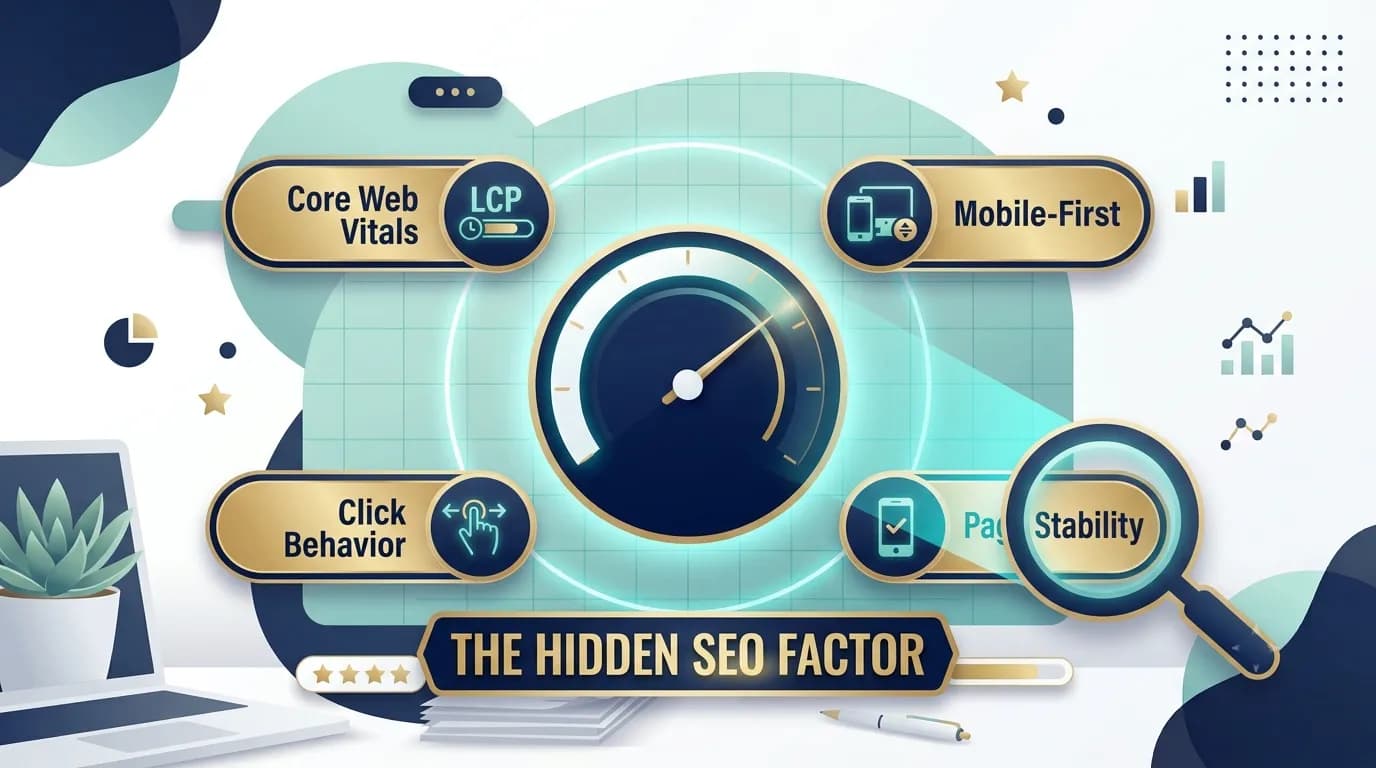
Google continues to emphasize page experience as a critical ranking factor. Core Web Vitals (CWV) – Largest Contentful Paint (LCP), Cumulative Layout Shift (CLS), and First Input Delay (FID, soon to be replaced by INP) – remain central. A superior user experience not only satisfies visitors but also signals to search engines that your site is valuable and well-maintained. This trend ties directly into the overall quality of your website and its ability to retain users.
Action Checklist:
- Optimize Loading Speed (LCP & INP): Compress images, leverage browser caching, minimize CSS and JavaScript, and use a Content Delivery Network (CDN). Fast loading times are crucial for user retention and search engine evaluation.
- Ensure Visual Stability (CLS): Prevent unexpected layout shifts by reserving space for images and ads, and avoiding injecting content above existing content unless user-initiated. A stable layout prevents frustrating user experiences.
- Enhance Interactivity (INP): Focus on making your website highly responsive to user input. Optimize JavaScript execution, reduce main thread work, and ensure quick responses to clicks, taps, and keyboard interactions.
- Prioritize Mobile-First Design: With the majority of searches happening on mobile devices, ensure your website is fully responsive, loads quickly, and offers an intuitive experience on all screen sizes. This is a foundational aspect of modern on-page SEO.
- Conduct Regular Technical SEO Audits: Periodically assess your site's performance against CWV benchmarks and other technical health indicators. This proactive approach helps identify and rectify issues before they impact rankings.
3. Hyper-Local SEO & Google Business Profile Optimization
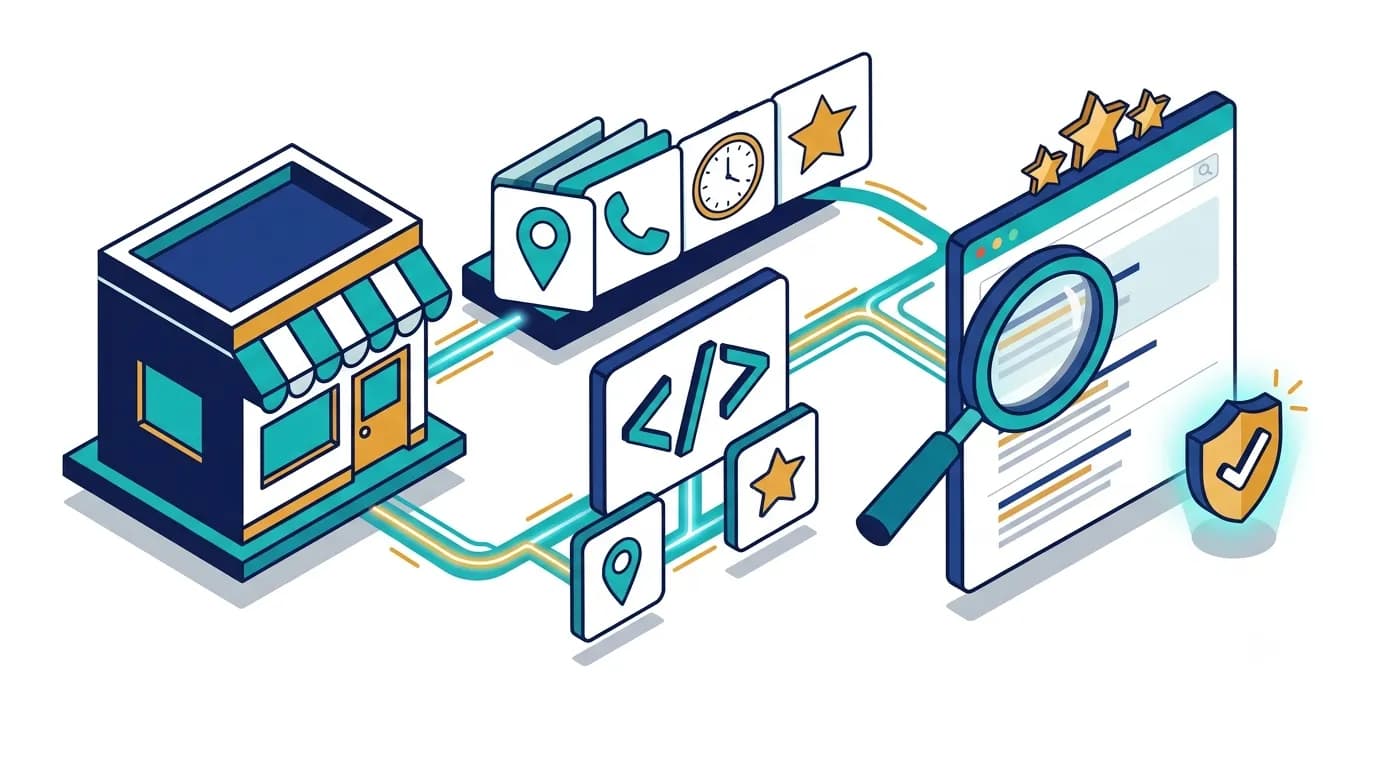
For businesses with a physical presence or those serving specific geographic areas, local SEO will continue to be a dominant force. AI-driven search results often prioritize local relevance, making a robust local strategy indispensable. Your Google Business Profile (GBP) acts as your digital storefront in local search results and is often the first point of contact for potential customers.
Action Checklist:
- Optimize Your Google Business Profile (GBP): Ensure your GBP is fully completed, verified, and regularly updated with accurate information (Name, Address, Phone - NAP), business hours, services, and high-quality photos. Respond to all reviews promptly and professionally.
- Encourage and Manage Reviews: Actively solicit customer reviews on Google and other relevant platforms. Positive reviews significantly boost local ranking and build trust. Address negative feedback constructively.
- Create Localized Content: Develop content that targets local keywords and addresses local needs or events. This could include blog posts about local partnerships, community involvement, or services tailored to your specific region.
- Ensure NAP Consistency Across the Web: Maintain consistent Name, Address, and Phone number information across your website, GBP, social media profiles, and all online directories. Inconsistencies can confuse search engines and users.
- Implement Local Schema Markup: Use local business schema to provide search engines with detailed information about your business, including location, opening hours, and contact details.
- Leverage GBP Posts and Q&A: Use GBP posts to share updates, offers, and events. Actively monitor and answer questions in the Q&A section to demonstrate responsiveness and expertise.
4. Semantic Search & E-E-A-T Deep Dive
Search engines are becoming increasingly sophisticated at understanding the context and intent behind queries, moving beyond simple keyword matching to semantic understanding. This means they evaluate the overall topic authority and relevance of your content. The E-E-A-T framework (Experience, Expertise, Authoritativeness, Trustworthiness) will continue to be paramount, especially in sensitive niches (Your Money Your Life - YMYL) but increasingly across all industries.
Action Checklist:
- Create Comprehensive, Authoritative Content: Develop in-depth content that thoroughly covers a topic, answers related questions, and demonstrates deep knowledge. Aim to be the definitive resource for your niche.
- Demonstrate Expertise and Experience: Highlight the credentials and experience of your content creators and business. Include author bios, case studies, testimonials, and industry awards.
- Build Authoritativeness: Earn high-quality backlinks from reputable sources (Off-Page SEO & Link Building). This signals to search engines that others trust your content. Actively seek mentions and collaborations within your industry.
- Foster Trust Signals: Ensure your website is secure (HTTPS), transparent about your business practices, and provides clear contact information. Display customer reviews, privacy policies, and terms of service prominently.
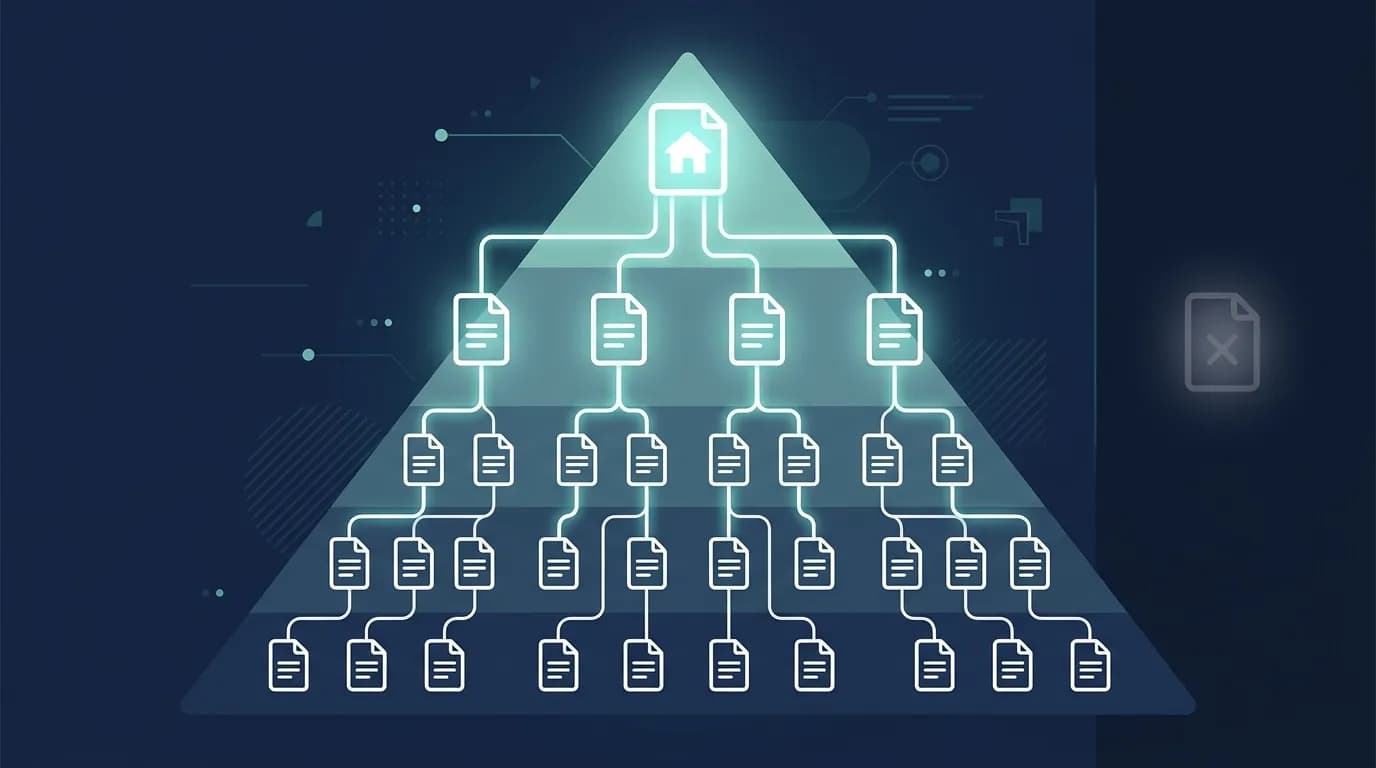
- Optimize for Topic Clusters: Instead of targeting individual keywords in isolation, organize your content into topic clusters around a central "pillar" page. This demonstrates comprehensive coverage and semantic relevance.
5. Video & Visual Search Optimization
The consumption of video content continues to surge, and visual search capabilities are advancing rapidly. From YouTube to Google Lens, optimizing for non-textual content is becoming a significant opportunity for visibility and engagement.
Action Checklist:
- Optimize Video Content: For videos hosted on platforms like YouTube, optimize titles, descriptions, tags, and thumbnails with relevant keywords. Provide accurate transcripts and closed captions to improve accessibility and searchability.
- Leverage Video Schema: Implement video schema markup on your website to help search engines understand your video content and display it in rich results.
- Optimize Images for Search: Use descriptive alt text, relevant file names, and appropriate image sizes. Ensure images are high-quality and relevant to your content.
- Consider Visual Search Platforms: Explore opportunities on platforms like Pinterest or Google Lens if your products or services are highly visual.
- Integrate Video into Content Strategy: Embed relevant videos within your blog posts and service pages to enhance user engagement and provide diverse content formats.
Final Thoughts
- SEO Trends 2026: Navigating the Evolving Digital Landscape should be evaluated as a practical business decision, not just a technical trend. For teams exploring seo & digital marketing, the strongest next step is to clarify the goal, review the right implementation path, and choose a solution that can support long-term growth.
- Suggest an SEO audit, consultation, or relevant SEO service page naturally near the close.