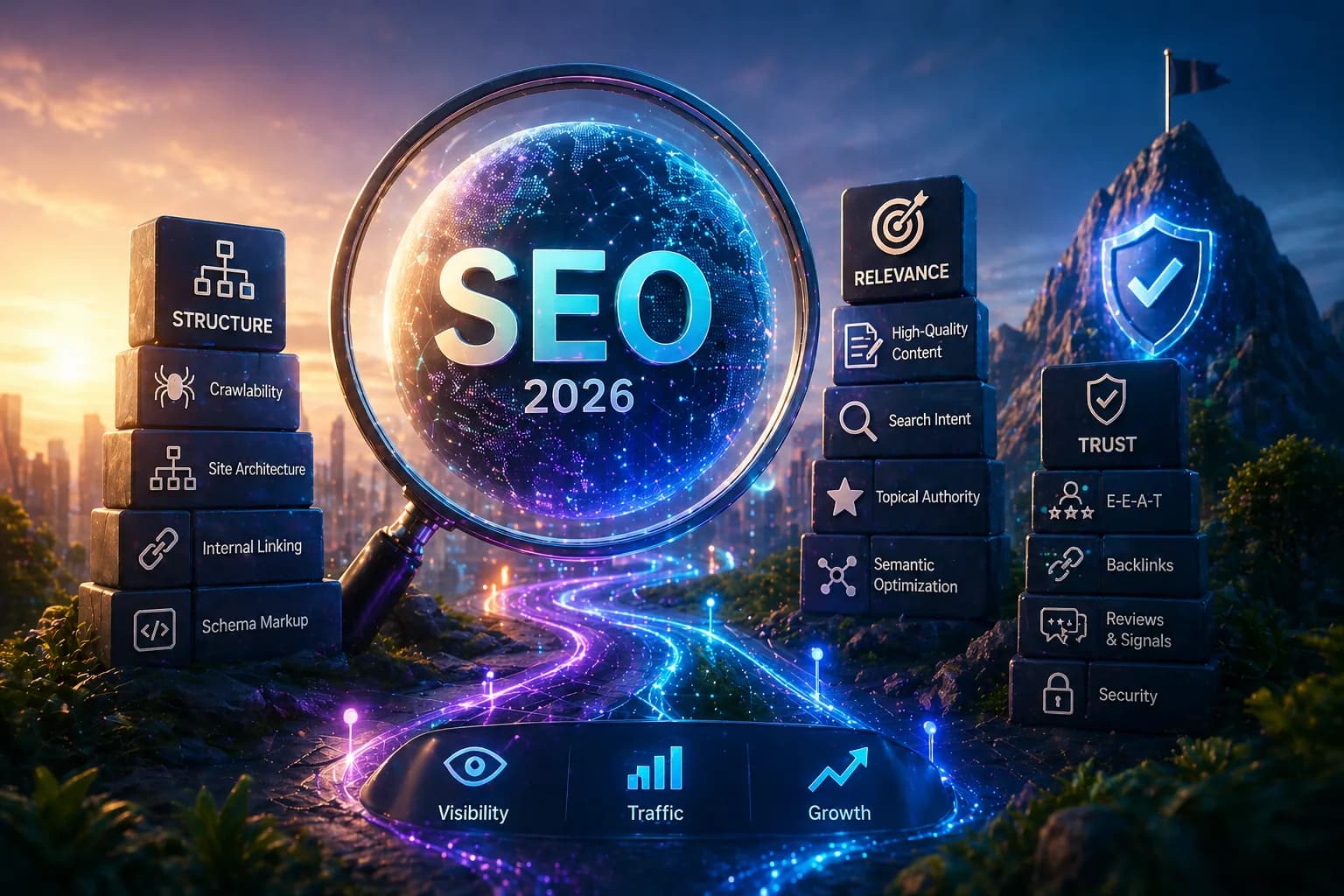
Here's a number that should change how you think about SEO: your own website makes up just 5 to 10% of what AI search tools actually reference when they talk about your business. The other 90%? It's coming from places you probably aren't optimizing at all — reviews, forums, news mentions, directories, and other people's content.
Most businesses still treat SEO like it begins and ends on their own site. Better copy, faster load times, more blog posts. All useful — but if AI tools are building their answer about you almost entirely from third-party sources, then optimizing only your own website is like polishing 10% of the picture and ignoring the rest of the frame.
Why This Matters More Than Ever
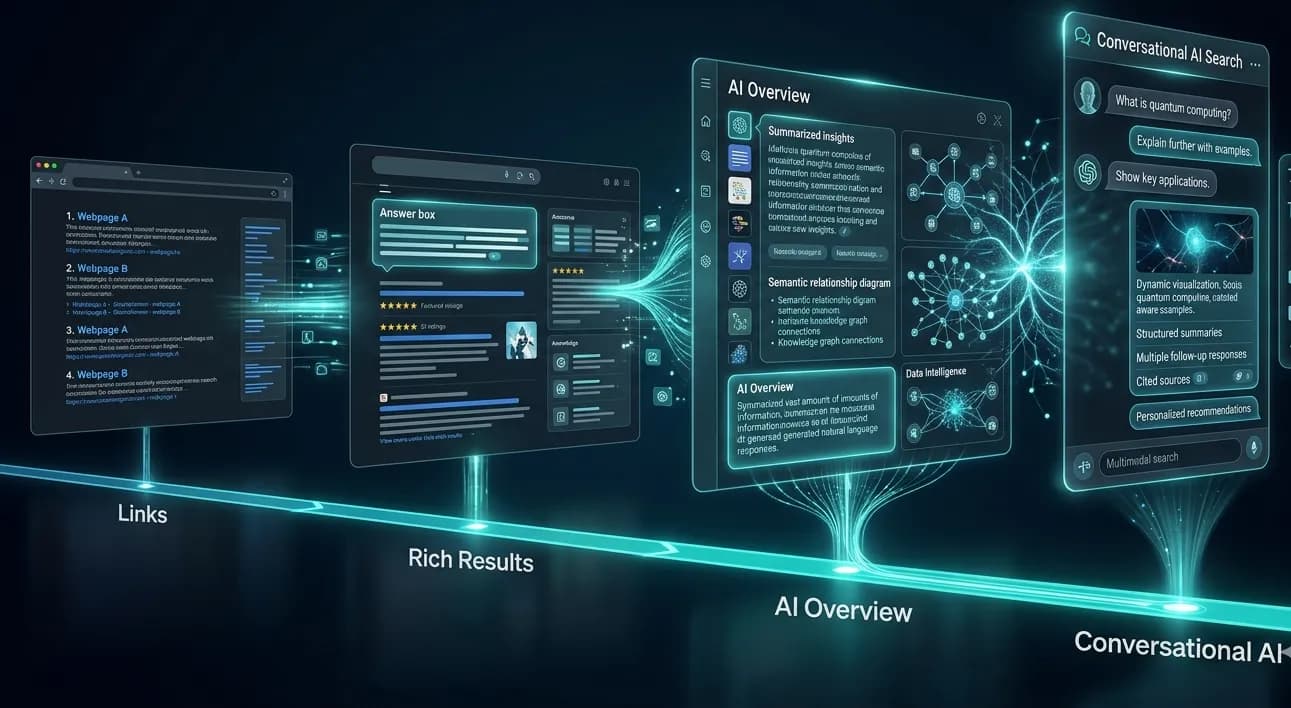
AI search isn't a side feature anymore — it's becoming a primary way people find and evaluate businesses.
- Nearly half of AI-powered search users say it's their main source of insight, ahead of traditional search.
- ChatGPT alone reached 900 million weekly active users in early 2026, more than double its user base from a year earlier.
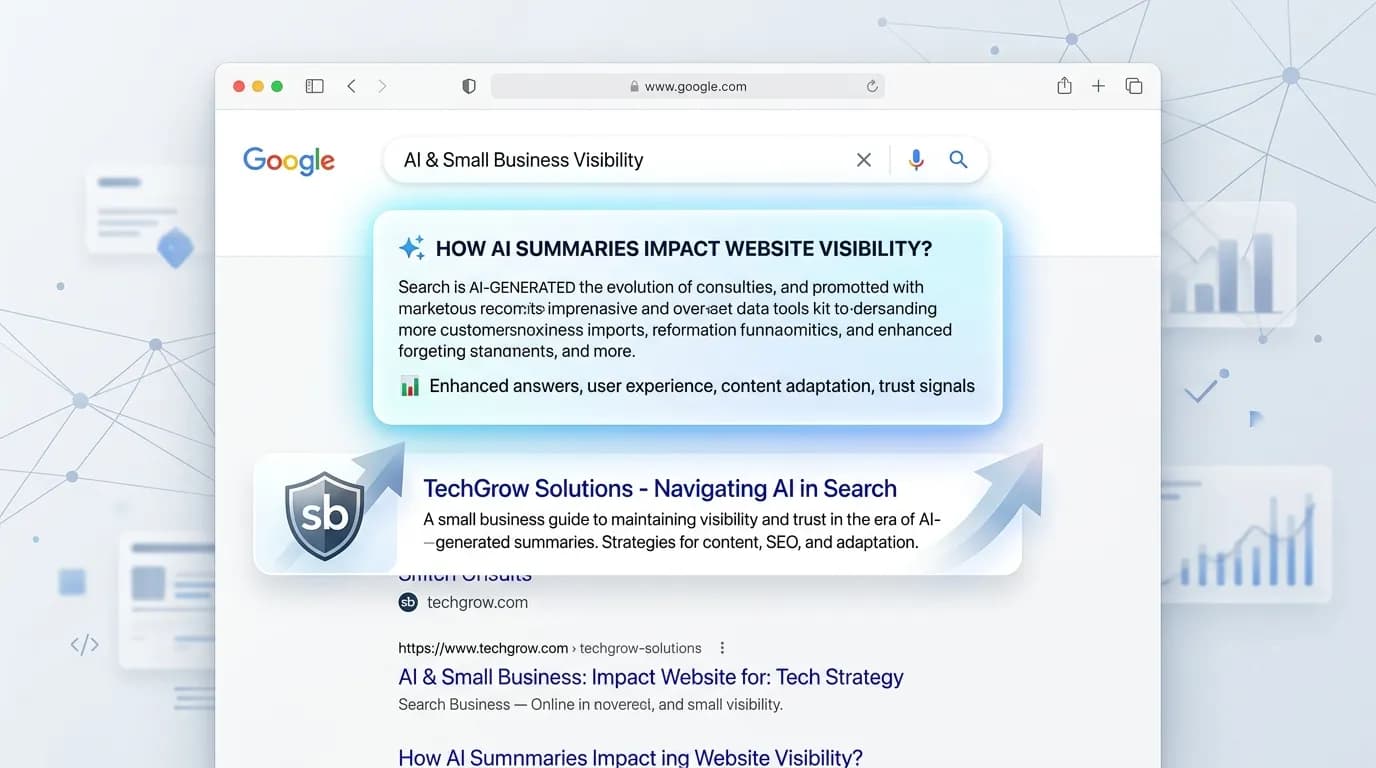
- A large share of Google searches now end without a click, as AI Overviews answer the question directly on the results page.
- Getting cited inside an AI Overview is increasingly worth more than holding the #1 organic ranking on the same query — visibility and traffic are no longer the same thing.
Put simply: showing up in the AI's answer matters as much as showing up on the results page. And that answer is built from a much wider net than your homepage.
So Where Does the Other 90% Actually Come From?
AI search tools pull from a wide mix of sources to build a fuller, more "trustworthy" picture of a business — not just what the business says about itself.
- Reviews and review platforms — Google Reviews, Trustpilot, industry-specific review sites
- Third-party publications — news mentions, industry blogs, press coverage
- Forums and community discussions — Reddit threads, niche community boards, Q&A sites
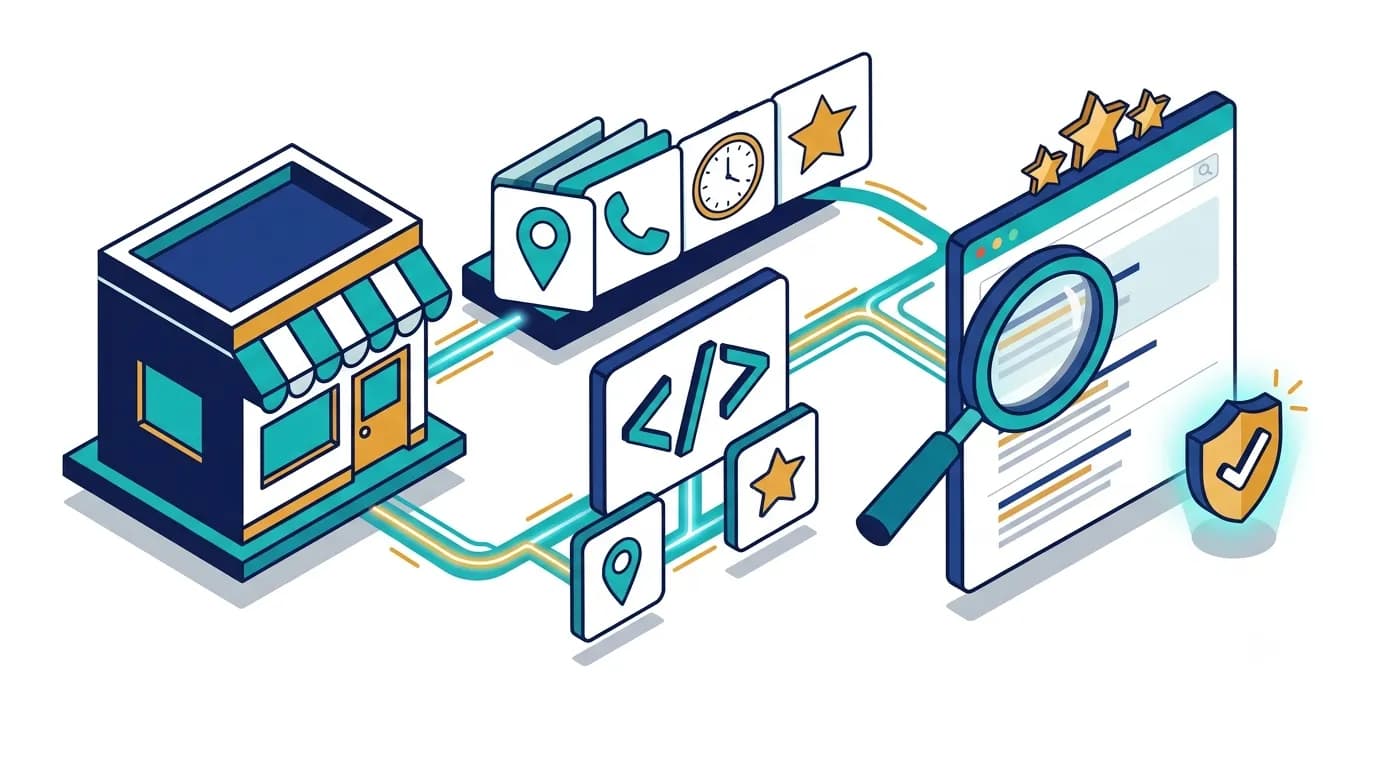
- Directories and listings — industry directories, local business listings, professional networks
- Social proof and mentions — LinkedIn posts, testimonials, case studies published by others
- Comparison and "best of" content — articles that mention your brand alongside competitors
If your brand rarely appears in any of these places, AI tools simply have less to work with — and less reason to cite you with confidence.
What This Means for Your SEO Strategy
The shift here isn't "stop optimizing your website." It's "stop stopping there."
- Build a real presence beyond your own domain. Getting mentioned in relevant third-party content matters as much as what's published on your own blog.
- Take reviews seriously — everywhere, not just Google. Reviews are one of the most heavily weighted third-party signals AI tools reference.
- Pursue genuine press and industry mentions. Being written about by others carries more trust weight than writing about yourself.
- Keep your brand information consistent across every platform. Inconsistent names, descriptions, or details across directories and profiles make it harder for AI systems to confidently identify and cite you.
- Engage where your industry already talks. If your potential customers are active in certain forums or communities, a credible presence there feeds directly into how AI tools describe your space — and who they mention in it.
- Don't ignore comparison content. Being included in "best of" or "vs." articles written by others is a strong AI-citation signal you can't fully control from your own site.
Worth Noting: Adding direct expert quotations to content has been shown to meaningfully improve how often AI systems cite it, and quantified statistics help too. That applies just as much to how other people write about you as it does to your own content.
Rethinking "SEO" as "Presence Management"
This is really the bigger shift: SEO in 2026 isn't just about ranking your own pages. It's about managing your brand's presence across the entire ecosystem AI tools draw from — reviews, mentions, forums, directories, and third-party coverage. Your website is still important. It's just no longer the whole picture.
The Bottom Line
If AI search tools are pulling 90% of what they say about your business from somewhere other than your own website, then a website-only SEO strategy is only ever going to tell 10% of your story. The businesses that show up confidently in AI answers are the ones actively managing their presence everywhere else too — reviews, mentions, directories, and the conversations happening about them across the web.
At Elite Web Technologies, we help businesses build SEO strategies that go beyond the website — covering the full ecosystem AI search actually draws from.
Want to know where your brand actually shows up in AI search right now?Contact Elite Web Technologies for a visibility review.