How to Optimize for SearchGPT and AI Overviews
The digital landscape is in constant motion, and few shifts have been as transformative as the rise of generative AI in search. With platforms like Google's AI Overviews and the broader implications of AI-powered conversational search (often referred to as SearchGPT), the way users find information and interact with search engines is fundamentally changing. For businesses, this isn't just a technical update; it's a strategic imperative for maintaining online visibility and engaging with potential customers.
Understanding how to adapt your digital strategy for this new era of AI searchgpt optimization is crucial. This guide will walk you through actionable steps to ensure your content remains discoverable, authoritative, and valuable to both human users and advanced AI models.
Why AI SearchGPT Optimization Matters Now
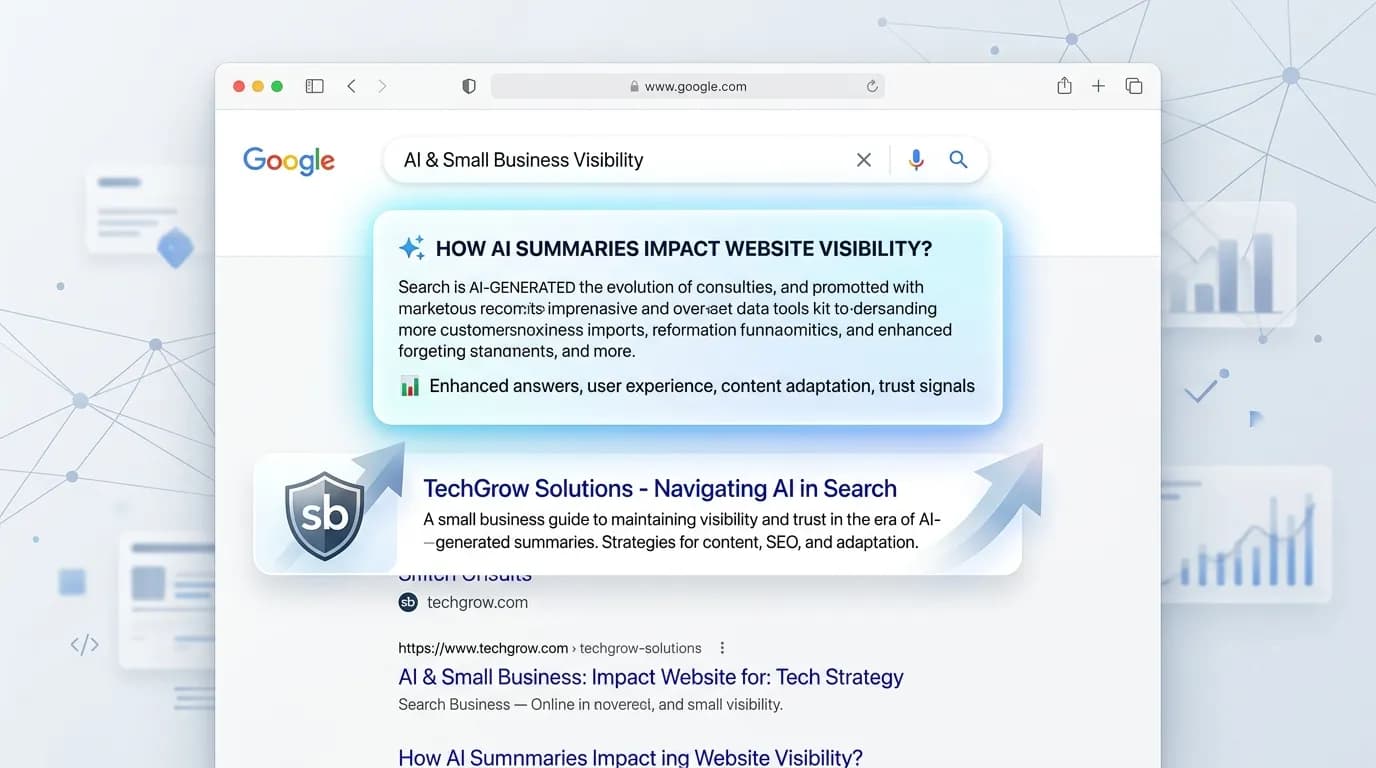
Traditionally, search engine optimization focused on ranking high in a list of ten blue links. Users would often click through multiple results to find their answer. Generative AI, however, aims to provide direct, concise answers within the search results themselves, often synthesizing information from various sources into an "AI Overview" or a conversational response. This means a significant shift in how your content gains visibility:
- Reduced Clicks, Increased Trust: If AI provides the answer directly, users may not need to click through to your site immediately. Your content needs to be the trusted source that AI models cite or draw from, positioning you as an authority even without a direct click.
- Increased Scrutiny on Quality: AI models are designed to identify the most authoritative, accurate, and comprehensive information. Your content must meet a higher standard of quality, factual accuracy, and depth to be considered a reliable source.
- New Visibility Opportunities: Being featured in an AI Overview or a SearchGPT response offers a prominent new form of visibility. This can introduce your brand and expertise to users earlier in their decision-making process, even if they don't immediately visit your site.
- Focus on Intent and Context: AI excels at understanding the nuances of user intent. Optimizing for AI means moving beyond simple keywords to address the underlying questions, problems, and contexts users are exploring.
The shift is from merely ranking to being the definitive, trusted source. Your business must evolve its strategy to ensure its content is not just found, but understood, trusted, and utilized by AI models to serve user queries.
Laying the Foundation: Strategic Pillars for AI Search
Before diving into specific tactics for generative AI SEO, it's essential to lay a strong foundation by re-evaluating your core approach to content and user needs. Start with your business goal before choosing tactics.
Step 1: Re-evaluate Your Core Search Intent Strategy
AI models excel at understanding context and intent. To optimize for AI, you must first deeply understand your audience's questions and needs. This goes beyond simple keywords to understanding the underlying problem a user is trying to solve, or the information they truly seek.
- Identify Conversational Queries: How do your customers naturally ask questions related to your products or services? Think in full sentences and nuanced inquiries rather than just single keywords. Tools for keyword research can help uncover these longer-tail, conversational queries.
- Map Content to User Journeys: Ensure your content addresses every stage of the customer journey, from initial awareness (e.g., "what is X?") to comparison ("X vs. Y") and decision-making ("best X for Y business"). Each piece of content should serve a clear purpose within this journey.
- Focus on Problem-Solving: AI Overviews are designed to provide solutions. Position your content as the definitive answer to specific problems your target audience faces, offering clear, actionable advice or information.
- Anticipate Follow-Up Questions: Think about what a user might ask next after getting an initial answer. Comprehensive content that anticipates and addresses these follow-ups is highly valued by AI.
Step 2: Assess Your Topical Authority and E-E-A-T
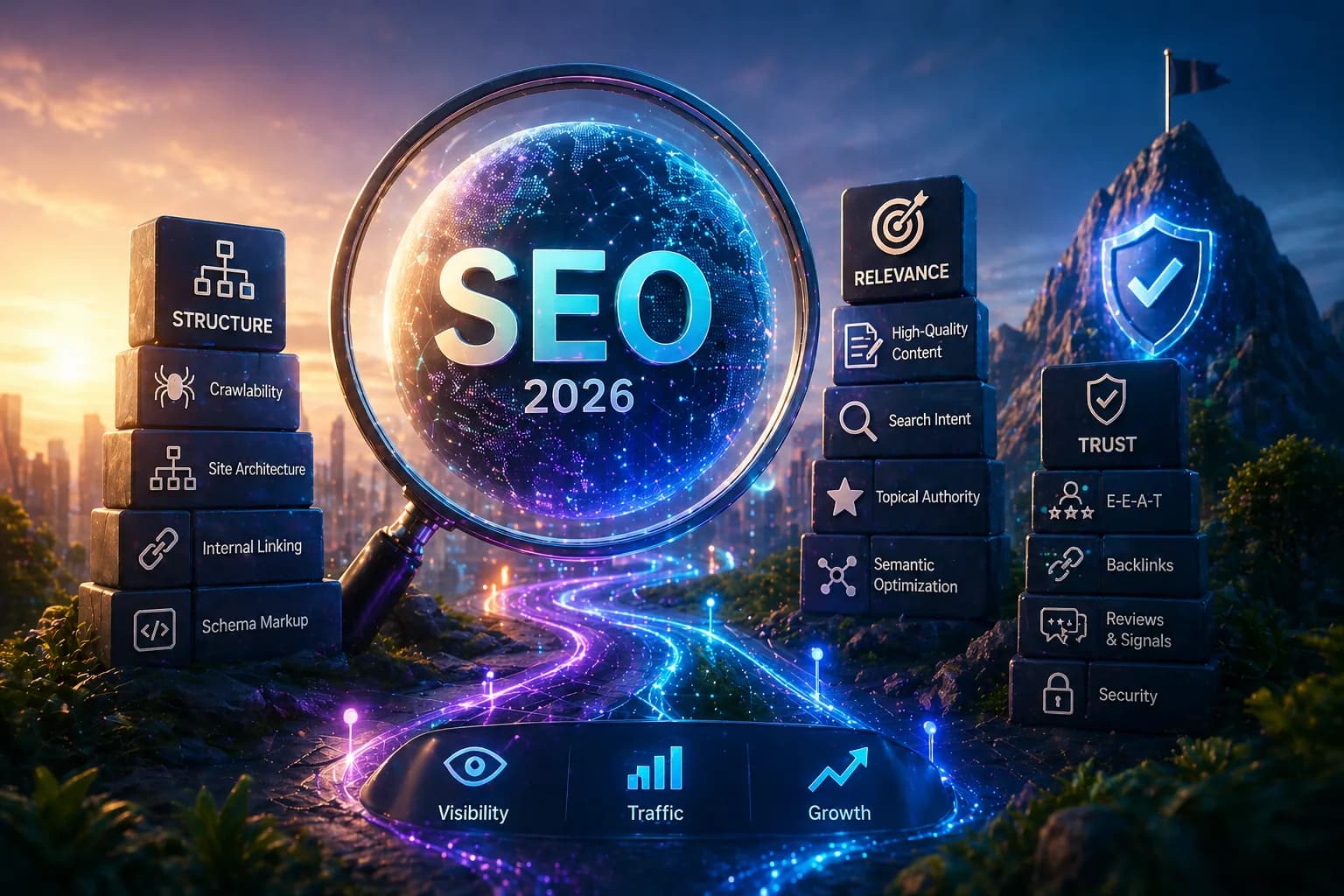
AI models prioritize sources that demonstrate deep expertise and comprehensive coverage of a topic. Being a recognized authority in your niche is more important than ever. Google's emphasis on Expertise, Experience, Authoritativeness, and Trustworthiness (E-E-A-T) is a critical signal for AI models.
- Build Comprehensive Content Clusters: Instead of isolated articles, build interconnected content clusters that cover all facets of a broad topic. This signals to AI that you are a go-to resource with deep knowledge. For example, if you sell CRM software, create content around "CRM benefits," "CRM implementation guide," "choosing the right CRM," and "CRM integrations."
- Showcase Expertise and Experience: Ensure your content is created by, or attributed to, genuine experts within your organization. Provide author bios with credentials, link to their professional profiles, and highlight their experience.
- Foster Authoritativeness and Trustworthiness: This involves transparent business practices, clear contact information, secure website protocols (HTTPS), and a strong backlink profile from reputable sources. A robust off-page SEO strategy, including strategic link building, helps build this authority.
- Regularly Update Content: Demonstrate ongoing relevance and accuracy by regularly reviewing and updating your existing content, especially for evergreen topics.
Actionable Steps for AI Content Optimization
With a solid foundation in place, here are practical steps your business can take to optimize for the future of search marketing and generative AI:
Step 3: Prioritize Clarity, Conciseness, and Direct Answers
AI models are trained to extract and synthesize information efficiently. Your content needs to be easy for them to process and understand. This means adopting a "flipped pyramid" writing style: present the answer or key takeaway first, then elaborate with details.
- Front-Load Key Information: Ensure your most important information, the direct answer to a potential query, is at the very beginning of paragraphs and sections.
- Use Clear Headings and Subheadings: Employ H1, H2, H3 tags logically to structure your content. This makes it scannable for both users and AI, allowing models to quickly grasp the hierarchy and main points.
- Employ Bullet Points and Numbered Lists: These formats are excellent for breaking down complex information into digestible chunks that AI can easily extract for summaries or direct answers. They also improve readability for human users.
- Define Terms Clearly: If you use industry-specific jargon, define it simply and concisely within the content, ideally on its first mention.
- Write in a Natural, Conversational Tone: AI models are trained on vast amounts of human language. Content that reads naturally and answers questions directly is more likely to be understood and utilized.
Step 4: Enhance with Structured Data (Schema Markup)
Structured data is a powerful tool for communicating the context and meaning of your content directly to search engines and AI models. It uses a standardized format (like Schema.org) to label specific elements on your page, helping AI understand what your content is about, who created it, and what purpose it serves.
- Implement Relevant Schema Types: Identify schema types that apply to your content. Common examples include:
Article: For blog posts and news articles.FAQPage: For pages with frequently asked questions and answers.HowTo: For step-by-step guides.Product: For product pages, including pricing, reviews, and availability.LocalBusiness: For physical business locations, including address, hours, and contact info.Organization: For your company's general information.
- Ensure Accuracy and Completeness: Provide accurate and comprehensive information within your schema markup. Incomplete or incorrect data can be detrimental.
- Use Google's Structured Data Testing Tool: Validate your schema implementation to ensure it's correctly formatted and free of errors. This is a critical technical SEO step.
- Understand AI's Reliance: AI models can more accurately extract facts, definitions, and relationships when structured data explicitly defines them, increasing the likelihood of your content being featured in AI Overviews or conversational responses.
Step 5: Optimize for User Experience (UX) and Page Performance
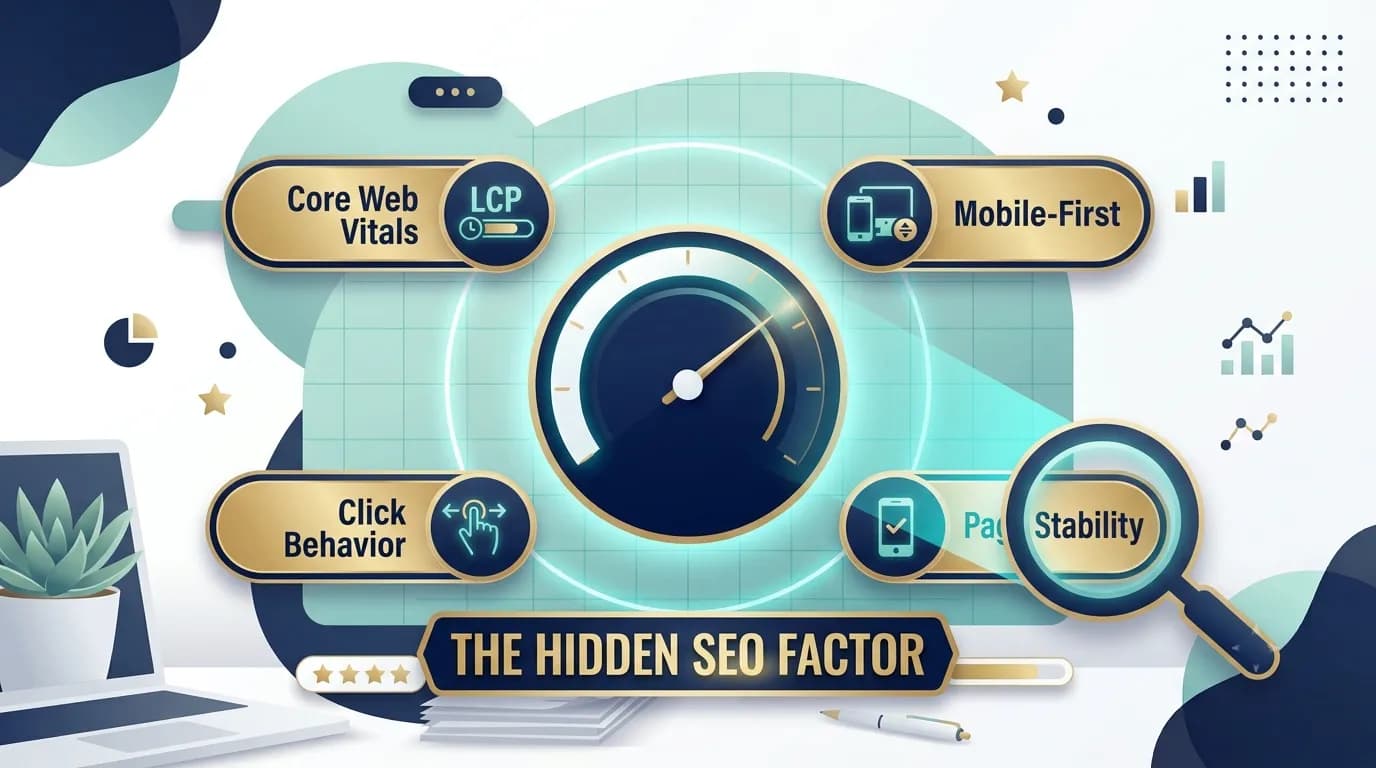
While AI models process content, they also consider signals related to how users interact with your site. A positive user experience and fast-loading pages are indirect but powerful signals of quality and trustworthiness that AI models are likely to factor in.
- Ensure Mobile-Friendliness: With the majority of searches happening on mobile devices, a responsive and mobile-optimized website is non-negotiable. AI models prioritize content that is accessible and easy to consume on any device.
- Improve Page Speed: Fast-loading pages reduce bounce rates and improve user satisfaction. Optimize images,
Final Thoughts
- How to Optimize for SearchGPT and AI Overviews should be evaluated as a practical business decision, not just a technical trend. For teams exploring seo & digital marketing, the strongest next step is to clarify the goal, review the right implementation path, and choose a solution that can support long-term growth.
- Suggest an SEO audit, consultation, or relevant SEO service page naturally near the close.