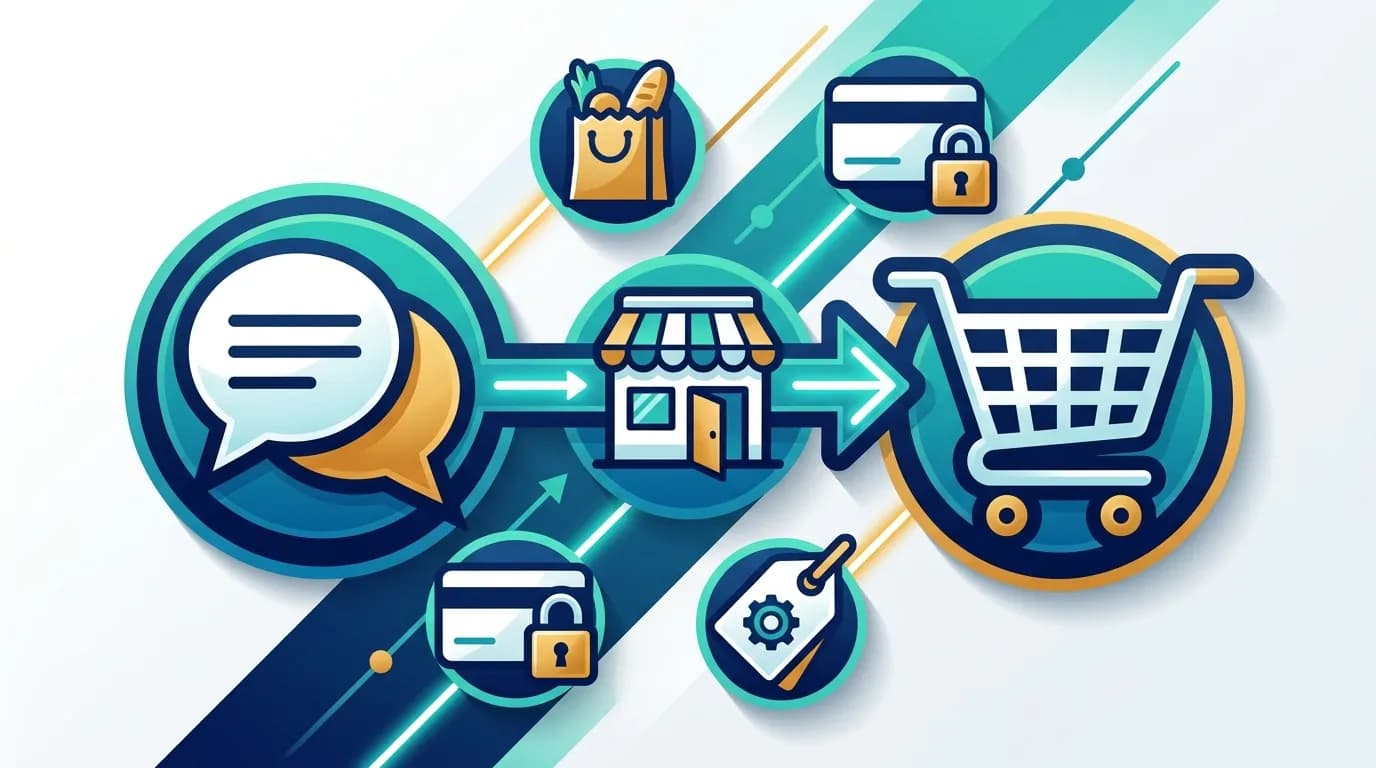
Over 700 million people now turn to ChatGPT every week — and OpenAI just passed 1 million paying business customers, making it the fastest-growing business platform in history. In the same week, OpenAI announced an expanded partnership with Albertsons, bringing a new Safeway shopping experience directly into ChatGPT, letting people go from "what should I make for dinner" to a completed grocery order without ever opening a retailer's app.
This is agentic commerce, and it's no longer a pilot program. It's quietly becoming real purchasing infrastructure — but the path here has been messier, and more instructive, than most "AI is changing shopping" headlines let on.
The Story Behind This Isn't as Simple as "AI Can Now Buy Things"
In September 2025, OpenAI launched Instant Checkout — letting people complete a purchase entirely inside a ChatGPT conversation, powered by the Agentic Commerce Protocol (ACP), an open standard co-developed with Stripe. Major names signed on fast: Etsy, Shopify, Walmart, and PayPal all built in.
But by March 2026, OpenAI pulled back from native, in-chat checkout entirely. The reason was practical, not dramatic: as of that point, OpenAI hadn't built a system for collecting and remitting U.S. state sales tax, among other commerce infrastructure gaps that come standard with running an actual retail checkout.
What replaced it is more durable, and arguably more important for businesses to understand:
- Redirect model — ChatGPT guides the shopper to the merchant's own website or app to complete the purchase, with product discovery and comparison happening in the chat.
- App model — merchants build a dedicated experience inside ChatGPT using OpenAI's SDK, with checkout powered by the merchant's own infrastructure through delegated payment flows via the API.
In both cases, the merchant keeps control of order acceptance, fulfillment, tax, and the customer relationship. OpenAI isn't becoming the retailer. It's becoming the discovery layer sitting in front of one.
What's Actually Live Right Now
- Albertsons and Safeway now run a grocery experience inside ChatGPT, letting customers move from meal planning to a built cart to checkout, powered through ChatGPT Enterprise and the OpenAI API across retail workflows.
- Indeed is using OpenAI's API in its "Invite to Apply" feature, driving a 20% increase in applications and a 13% uplift in downstream hiring success — a reminder that agentic API integration isn't limited to retail.
- Canva, Figma, Zillow, and Spotify have plugged their own apps directly into ChatGPT, meeting users inside a conversation instead of requiring a separate visit.
- ChatGPT recently added shopping-specific features — virtual try-on for clothing and accessories, a "Favorites" tool for saving products, and smarter in-chat product scanning.
The common thread across every one of these: the business keeps its own systems, data, and customer relationship, and uses the API to meet people where they're already asking questions.
Why This Matters for Your E-Commerce Strategy
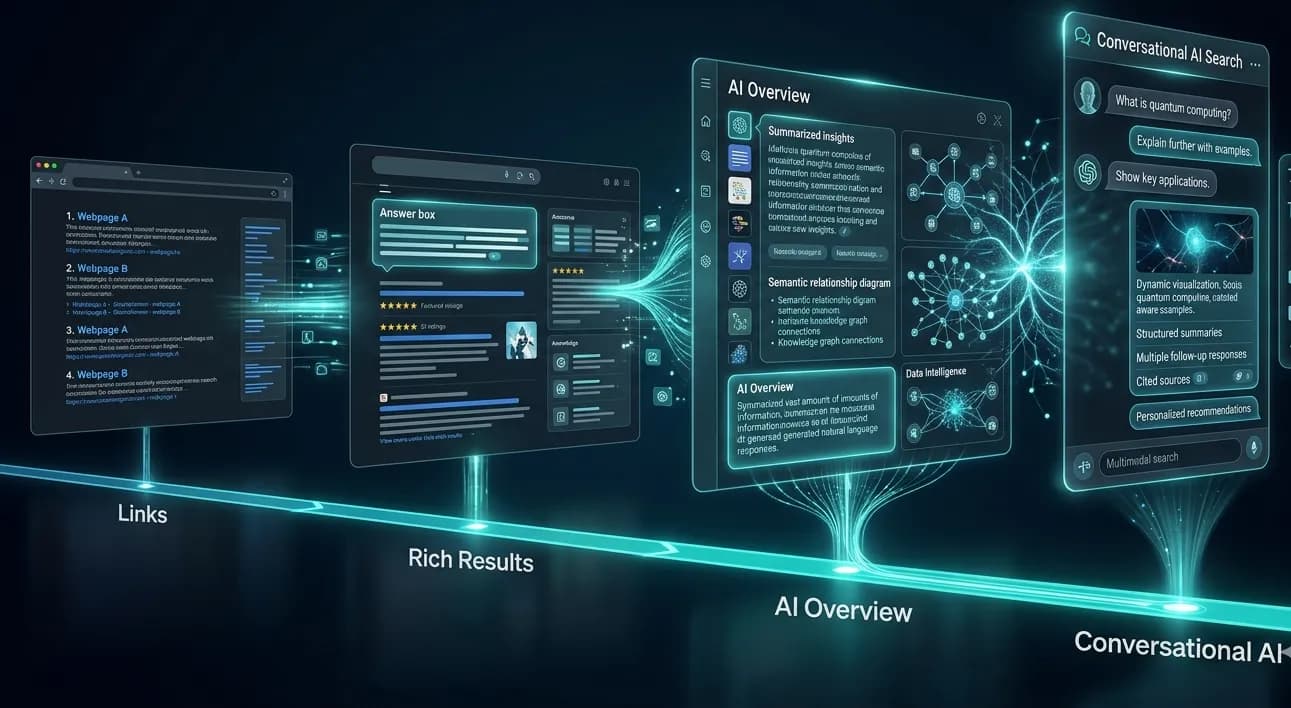
- Product discovery is increasingly happening inside AI conversations, not on your homepage. Whether or not a purchase completes in-chat, the research and comparison phase is shifting toward AI assistants — making how your products are structured and described more important than ever.
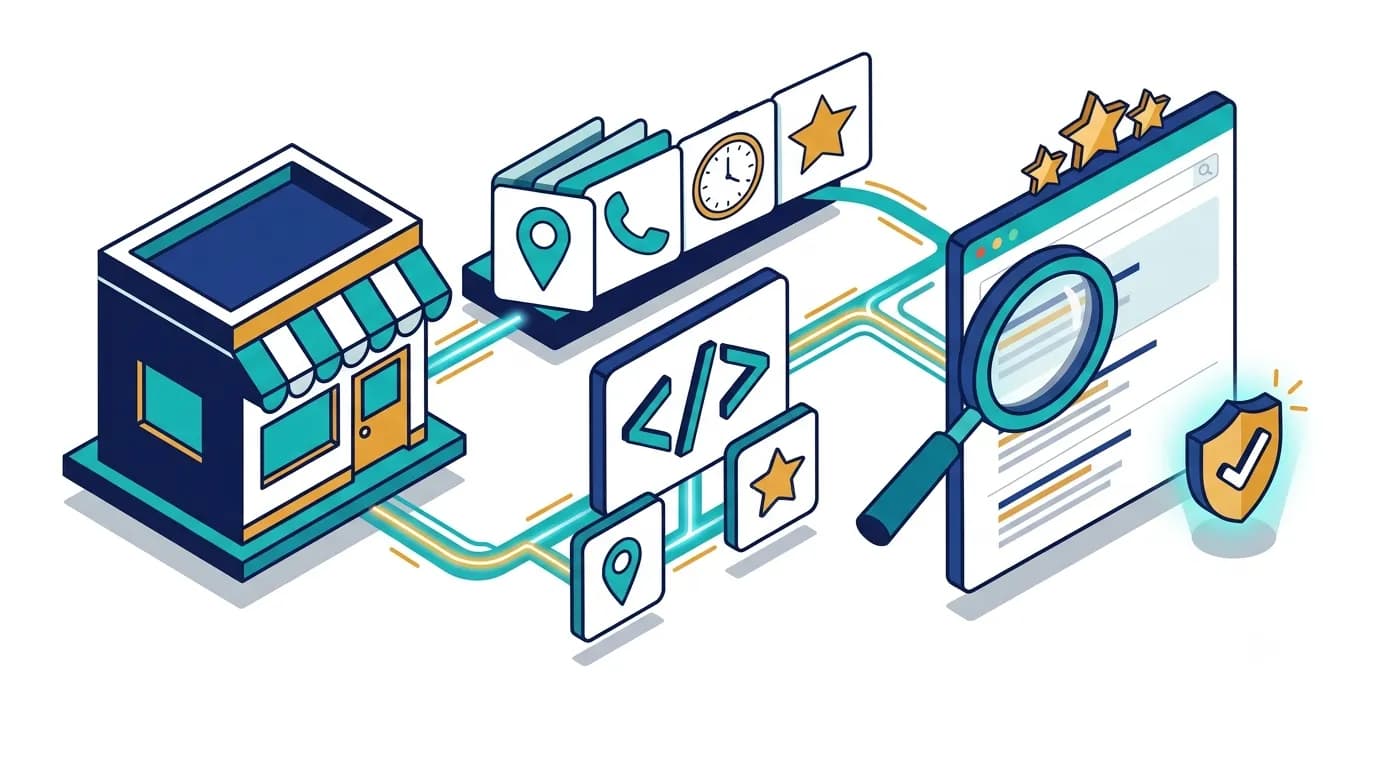
- API-readiness, not just a storefront, is becoming the real competitive requirement. The businesses showing up in these partnerships are the ones with clean, well-structured product data and APIs ready to connect — not the ones with the prettiest website alone.
- The "redirect model" still sends real traffic your way. Even without native checkout, a well-integrated ACP or SDK presence can route qualified, high-intent shoppers straight to your own site — arguably a healthier outcome than losing the transaction entirely to a platform.
- Smaller merchants aren't locked out. OpenAI has stated plans to onboard millions of SMB merchants via the ACP server in 2026 — meaning this isn't just a channel for Walmart-sized retailers.
- This mirrors a broader shift happening across platforms. Google, Meta, and other major platforms are moving in similar directions — building AI-mediated discovery and purchase flows that keep merchants in control of the actual transaction.
Worth Noting: OpenAI's pivot away from native checkout is a useful case study in itself — even a company moving as fast as OpenAI ran into the unglamorous realities of commerce (tax compliance, fulfillment, merchant relationships) that most retail businesses already have systems for. That's actually good news for established e-commerce businesses: the infrastructure you already have is exactly what these new integrations are built to connect to.
How Businesses Can Prepare
- Audit your product data structure. Clean, accurate, well-tagged product information is the foundation both AI discovery and API integrations depend on.
- Evaluate whether ACP or a similar integration fits your platform. If you're on Shopify, Etsy, or a similar platform, agentic commerce support may already be available or on its way — check before building something custom.
- Think API-first, not app-first. The businesses benefiting most from this shift are the ones with flexible, well-documented APIs connecting their inventory, pricing, and fulfillment systems — not just a polished front-end.
- Don't assume this replaces your website. The redirect and app models both still rely on your own site or app to actually complete the transaction — invest accordingly.
- Watch for this expanding beyond retail. Indeed's hiring use case is a reminder that this pattern — AI as a discovery and action layer sitting in front of your existing systems — applies well beyond shopping.
The Bottom Line
AI assistants placing orders "directly" turned out to be more nuanced than the headlines suggested — OpenAI itself pulled back from doing that natively, in favor of a model that keeps businesses in control of their own checkout, tax, and customer relationships. For e-commerce businesses, the real opportunity isn't waiting for AI to sell for you. It's making sure your product data, APIs, and infrastructure are ready to be found, compared, and connected to when the conversation happens.
At Elite Web Technologies, our Custom Website Development and Custom LLM & GPT Integration teams help businesses structure their platforms and APIs to be ready for agentic commerce — without losing control of the transaction.
Want to know if your e-commerce platform is ready for AI-driven discovery and checkout?Contact Elite Web Technologies to talk through your setup.