A recent survey of 1,185 US adults found something useful for any clinic thinking about AI. When patients had a medical question, most would rather wait for a clinician to review the answer than get an instant reply from AI. But for routine requests, like booking an appointment or renewing a prescription, that preference reversed.
That one finding is a good map for the whole topic. AI can be a real help with the administrative side of healthcare. It needs far more care the closer it gets to medical judgment and patient data.
Here's a plain guide to where AI helps a clinic, where to be careful, and how to start without taking on risks you can't manage.
Where AI Helps: The Low-Risk, High-Value Jobs
The safest and most practical uses are the ones that save staff time without making medical decisions.
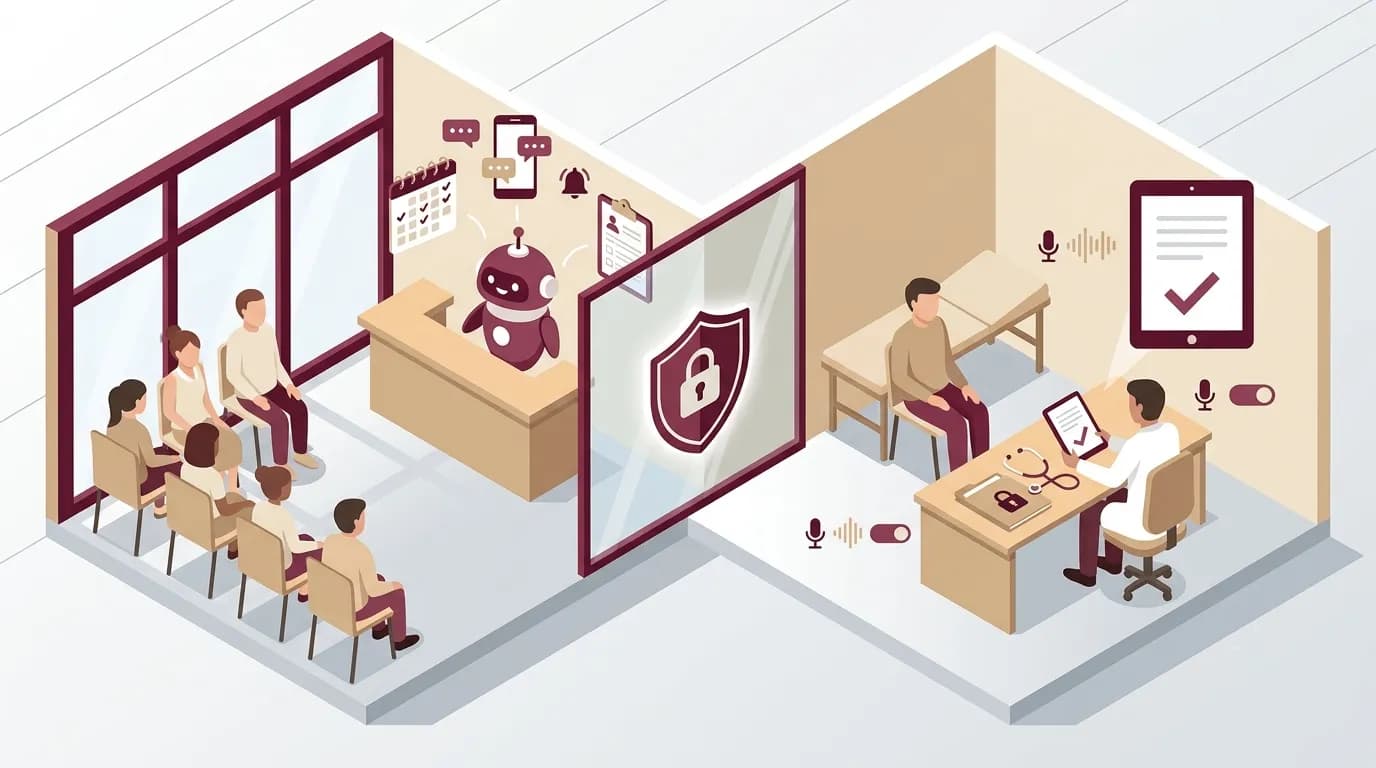
- Appointment booking and reminders. AI can handle booking, rescheduling, and reminders over WhatsApp, SMS, or your website, which cuts missed appointments and phone calls.
- After-hours questions. A chatbot can answer routine questions such as opening hours, location, fees, and how to prepare for a visit, and hand anything medical to your team.
- Patient intake. Digital forms that collect details before the visit save front-desk time and reduce errors from handwriting.
- Follow-up and recall messages. Automated nudges for check-ups, vaccinations, and repeat visits help keep patients engaged.
- Drafting clinical notes. AI scribes listen to a consultation and draft the note for the clinician to review. This is the most studied use. In one quality improvement study of 45 clinicians, scribes reduced documentation time by a median of 2.6 minutes per appointment and cut after-hours record-keeping by 29.3%. At UCSF, 70% of physicians were using AI scribes in daily practice as of 2026.
These gains are real but modest. They add up over a busy week, yet they aren't a cure for burnout on their own.
Where to Be Careful
The risks grow as AI gets closer to patients' health and personal information.
- Medical advice and diagnosis. An AI chatbot that answers symptom questions can sound confident while being wrong. Patients prefer clinician review for medical questions, and for good reason.
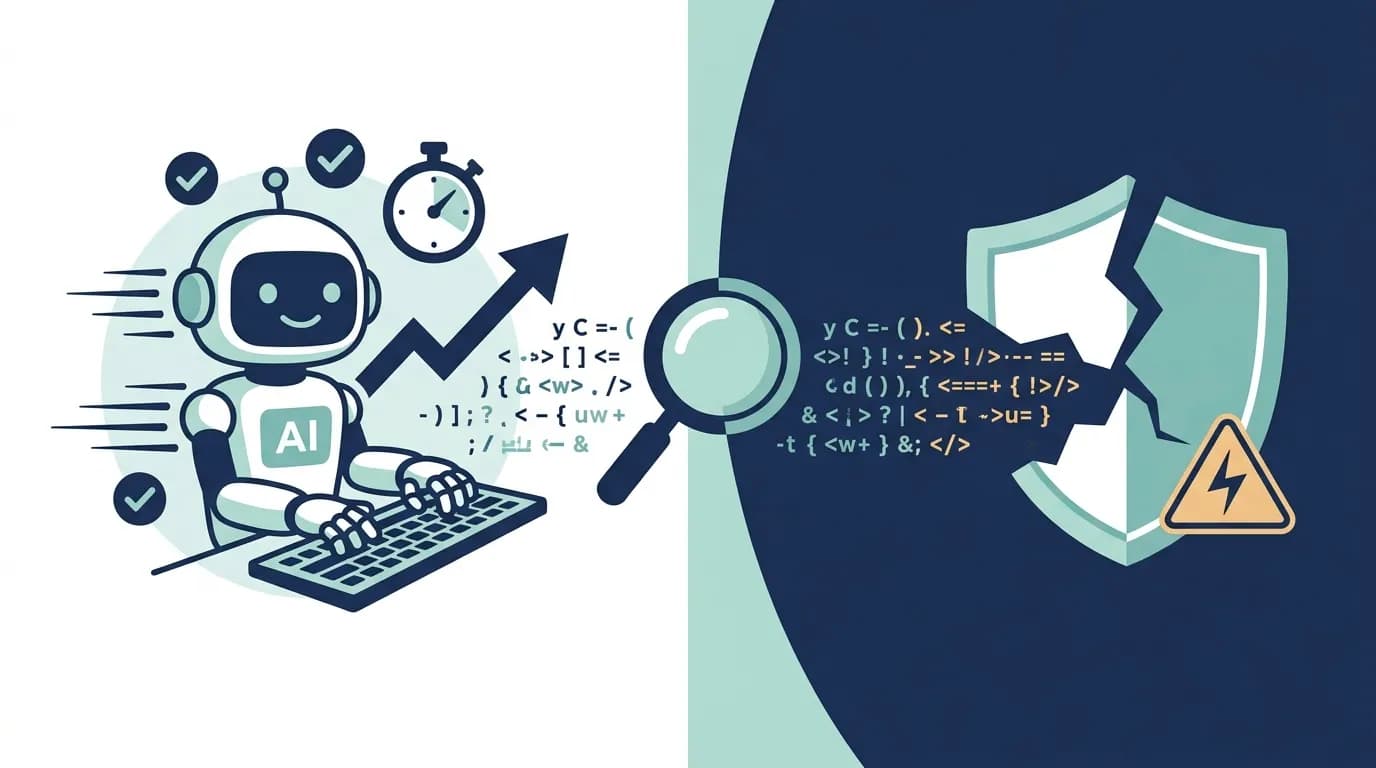
- Unchecked AI-written notes. AI can add things that weren't said or leave out things that were. Legal commentators warn that clinicians may sign off on a note without checking it, and at UCSF there is no technical way to confirm a physician actually read a note before signing.
- Recording consent. A scribe records the visit, so audio and transcripts count as protected health information. Depending on where you practice, recording can trigger consent and wiretap rules, and patients may need clear notice and a way to opt out.
- Patient data in public tools. Pasting patient details into a free chatbot can move sensitive information outside your control.
- Vendor risk. Most AI tools rely on third-party vendors. You need to know where data is stored, who can access it, and what happens if something goes wrong.
- Patient trust. Some patients feel uneasy being recorded, or hold back on sensitive topics. Trust is hard to rebuild once lost.
Worth Noting: Privacy and AI rules differ by country and change quickly. In the US, HIPAA is central. Elsewhere, laws such as India's Digital Personal Data Protection Act may apply. This post is general information, not legal or medical advice, so check your obligations with a qualified adviser before you adopt a tool.
A Simple Rule to Remember
AI drafts, a human decides. Let AI handle the routine, and make sure a qualified person reviews anything that affects a patient's care, records, or privacy.
A quick way to sort your ideas:
- Safe to automate: Reminders, opening-hours questions, booking, intake forms.
- Automate with human review: Draft clinical notes, summaries, patient messages that contain health details.
- Keep with people: Diagnosis, treatment advice, sensitive conversations, and final decisions.
Seven Questions to Ask Before You Adopt Any AI Tool
- Does the vendor handle patient data under a proper written agreement, and can they show you their security documentation, not just a promise?
- Where is the data stored, and for how long?
- Is patient data used to train the vendor's models?
- How does the tool handle recording notice, consent, and opt-outs?
- Does it keep logs, so you can see who accessed what?
- Can a clinician easily review and correct every output?
- What's the plan if it makes a mistake or there's a data incident?
If a vendor can't answer these clearly, that's your answer.
How to Start Safely
- Start with admin. Choose one low-risk job, such as appointment reminders, and measure the results.
- Write simple rules. Say which tools are approved, what patient data can never go into them, and who reviews AI output.
- Tell patients. Be open about when AI is used, and give a way to opt out.
- Train your staff. Twenty minutes with real examples is better than a long policy nobody reads.
- Review regularly. Check accuracy and patient feedback, then expand only when you're confident.
The Bottom Line
AI can take a lot of repetitive work off a clinic's plate, from reminders to first drafts of notes. The clinics that benefit most keep it to jobs where mistakes are low-stakes, keep a person in charge of anything clinical, and treat patient data with real care. Done that way, AI gives your team time back without costing you patient trust.
At Elite Web Technologies, our AI Automation & Workflow team builds automation such as appointment booking and WhatsApp messaging, with human review built in. Our AI work is backed by ISO/IEC 42001:2023 certification for AI management. Compliance decisions remain with your legal and clinical advisers, and we're happy to work alongside them. You can see our full range of work on our services page.
Thinking about AI for your clinic?Contact Elite Web Technologies and we'll help you pick a safe first project.