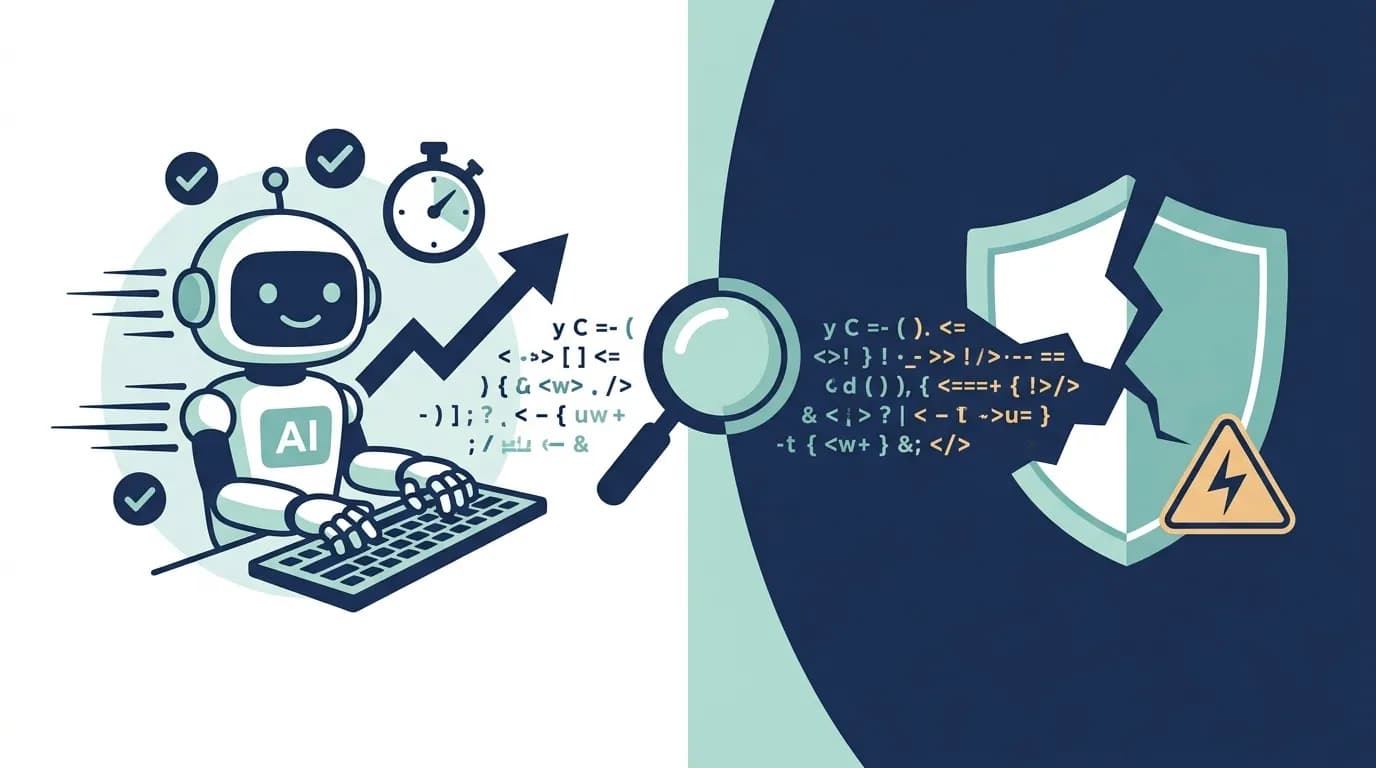
A 24-person startup, headquartered above a Popeyes in Brooklyn, has quietly become publishing's de facto referee. Pangram's AI-detection verdicts have already cancelled a book deal, embarrassed The New York Times, and cast doubt on a major literary prize. In July 2026, Substack made it official — integrating Pangram directly into its platform so any reader can scan a post over 100 words and see a machine-generated probability score, right next to the writer's name.
This isn't a niche academic tool anymore. AI content detection has gone mainstream, and it's starting to shape how audiences decide who to trust — whether the underlying science is fully settled or not.
How Big This Has Actually Gotten
- Pangram's analysis of opted-in social media users found 41% of content over 250 words on LinkedIn was AI-generated — the highest of any platform studied.
- Substack had the lowest rate among platforms studied, at just 10% of long-form content flagged as AI-generated.
- 21% of peer reviews submitted to a 2026 machine learning conference were found to be AI-generated, according to Pangram Labs' own analysis.
- The American Association for Cancer Research found 23% of abstracts and 5% of peer-review reports submitted to its journals contained likely AI-generated text.
- Pangram raised $9 million in a round led by Menlo Ventures in July 2026, alongside the launch of its newest model, and now claims a false-positive rate of roughly 0.0041% — about 1 in 24,000.
- Quora, NewsGuard, and numerous universities and publishers have already signed on as customers, alongside Substack.
For comparison: OpenAI's own early AI-text classifier was retired in 2023 after catching only 26% of AI-generated text while wrongly flagging 9% of genuinely human writing. Pangram's rapid rise is largely a story of a detector that's dramatically more accurate than the first generation — but "dramatically more accurate" and "reliable enough to be a verdict" are two very different claims.
Why This Matters Even If You've Never Heard of Pangram
If your business publishes any content — blog posts, LinkedIn articles, press releases, guest posts — this shift affects you directly, for a few concrete reasons:
- Readers are increasingly checking for themselves. With detection tools now built directly into platforms like Substack, content trust is no longer just about your reputation — it's about a visible score sitting next to your name.
- Even accurate detectors still produce real false positives at scale. At Pangram's own reported rate, a platform with millions of weekly publications would still see thousands of pieces of genuinely human writing wrongly flagged as AI every year — and reputational damage from a false flag doesn't require the tool to be wrong often, just wrong once, publicly.
- AI-assisted work is being treated the same as fully AI-generated work by some detectors. Editing tools, drafting assistance, and heavy AI collaboration can all blur into the same "AI-generated" score, even when a human did real work shaping the piece.
- The pressure is shifting from "did you use AI" to "did you disclose it." Substack's approach explicitly gives writers a space to state how they used AI in a piece — signaling that transparency, not avoidance, is becoming the actual expectation.
Worth Noting: Independent researchers have found that some AI models can produce text that reads as overwhelmingly human to leading detectors, including Pangram. The tool's own creators acknowledge it identifies patterns in finished text — it cannot see how a piece was actually created, how much a writer edited a draft, or whether the ideas and judgment behind it were genuinely human.
What This Means for Businesses Publishing Content
- Disclosure is becoming a trust signal, not an admission. Being transparent about how AI was used in a piece — and how much a human shaped it — is increasingly viewed more favorably than staying silent and hoping a detector doesn't flag it.
- Editorial judgment still matters more than a percentage score. A detector output is one signal among many, not proof of authorship, effort, or accuracy — treat it that way in your own editorial process too.
- Heavily AI-generated, unedited content carries real reputational risk now. With detection embedded directly into major platforms, publishing AI output without real human review and judgment is a more visible risk than it used to be.
- The safest path is real human involvement, clearly represented. Content that reflects genuine expertise, original insight, and real editorial judgment — regardless of what tools assisted in drafting it — holds up regardless of what any detector says.
The Bottom Line
AI detection tools like Pangram are more accurate than the first generation of detectors — but "more accurate" doesn't mean infallible, and a visible AI-probability score is quickly becoming part of how readers judge trust. The businesses handling this well aren't the ones hiding their AI use or panicking about false flags — they're the ones building real editorial judgment and honest disclosure into how they publish, so a detector's verdict is never the only thing standing behind their credibility.
At Elite Web Technologies, our Blog Writing & Content Strategy service combines AI-assisted efficiency with real editorial oversight — so your content holds up to both readers and detection tools alike.
Want content built on genuine expertise and disclosed responsibly?Contact Elite Web Technologies to talk through your content strategy.