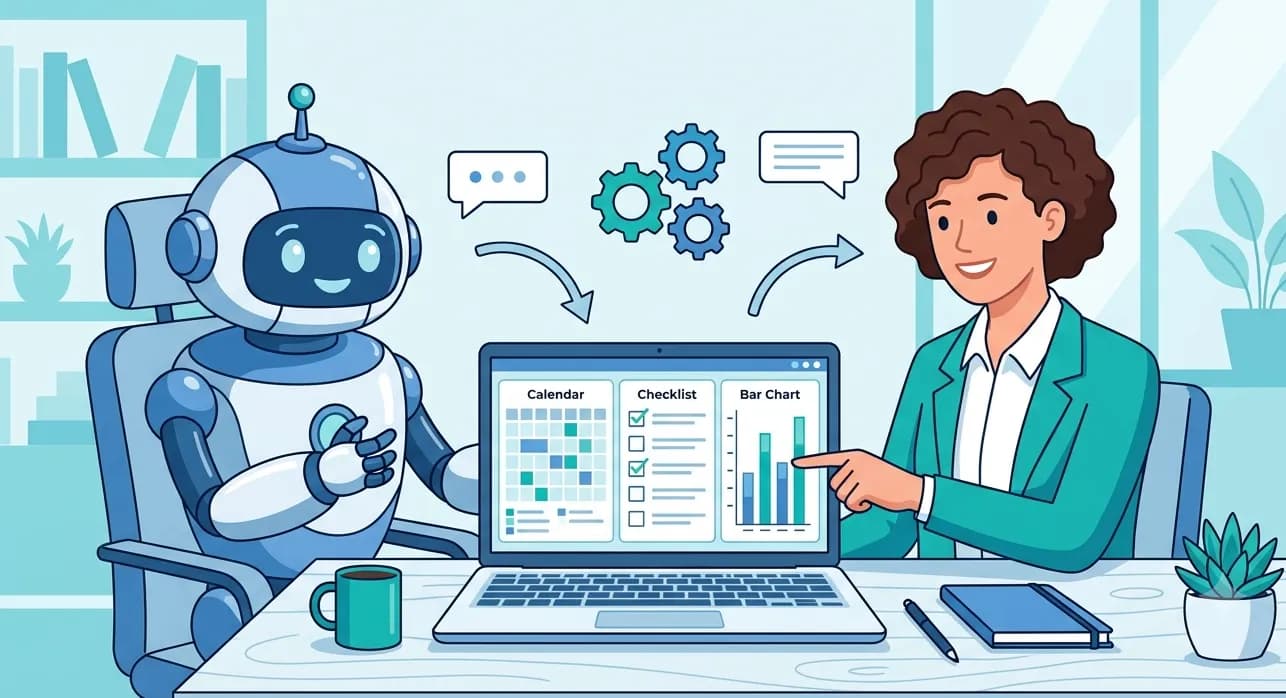
Ask someone a year ago what an "AI assistant" does, and they'd probably say: answers questions, writes emails, maybe drafts a report if you ask nicely. Ask that same question in 2026, and the answer looks completely different. AI agents aren't just answering anymore — they're scheduling your meetings, generating your reports, analyzing your data, and quietly working across multiple apps like an actual member of the team.
Call them digital coworkers. That's not a marketing buzzword — it's genuinely the most accurate way to describe what these systems are doing now. Here's what that actually looks like, why it's happening now, and how businesses are putting it to work.
From Chatbot to Coworker: What Changed?
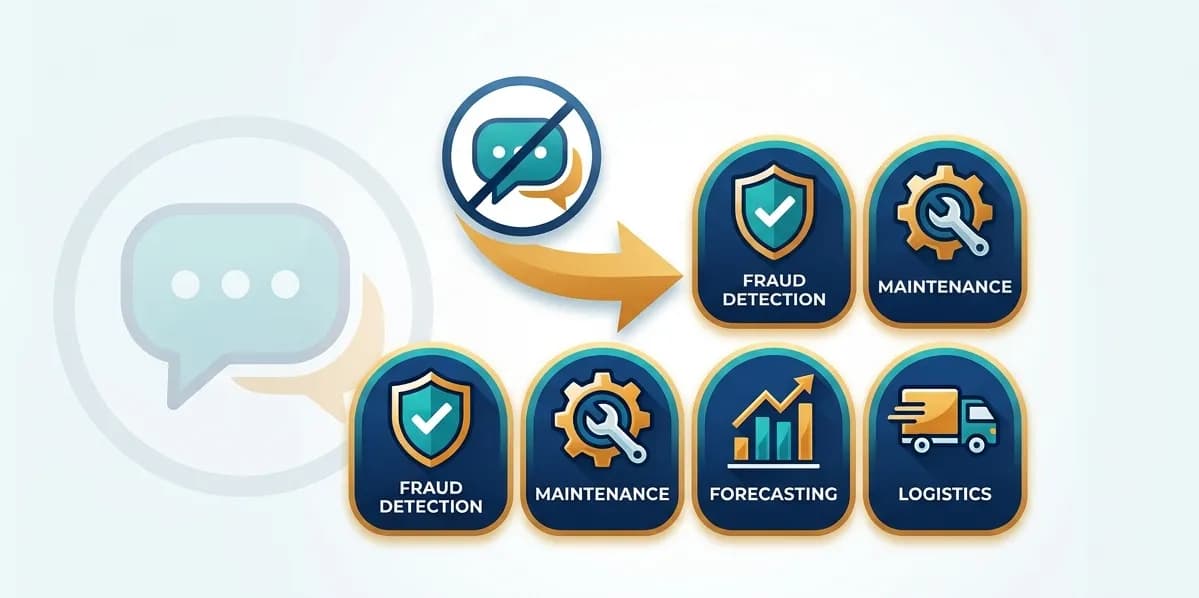
The old model of AI was reactive — you asked, it answered, the conversation ended. The new model is agentic — you assign a goal, and the AI figures out the steps, uses the tools it needs, and gets the job done with minimal hand-holding.
That shift matters because it changes what AI can actually be trusted with:
- Old AI: "Summarize this email thread for me."
- New AI: "Handle my inbox, schedule the follow-up meeting, and send me a report on what needs my attention."
One is a tool. The other is starting to look like a coworker.
What Digital Coworkers Are Actually Doing Right Now
This isn't theoretical. AI agents are already handling real, ongoing work across departments:
- Scheduling and calendar management — coordinating meeting times across multiple people, rebooking conflicts, and sending reminders without anyone lifting a finger
- Reporting and data analysis — pulling data from multiple sources, generating summaries, and flagging trends that would normally take an analyst hours to compile
- Project management — tracking task status across tools, nudging overdue items, and keeping stakeholders updated automatically
- Customer and sales follow-up — qualifying leads, sending personalized follow-ups, and keeping conversations moving without a rep manually managing every touchpoint
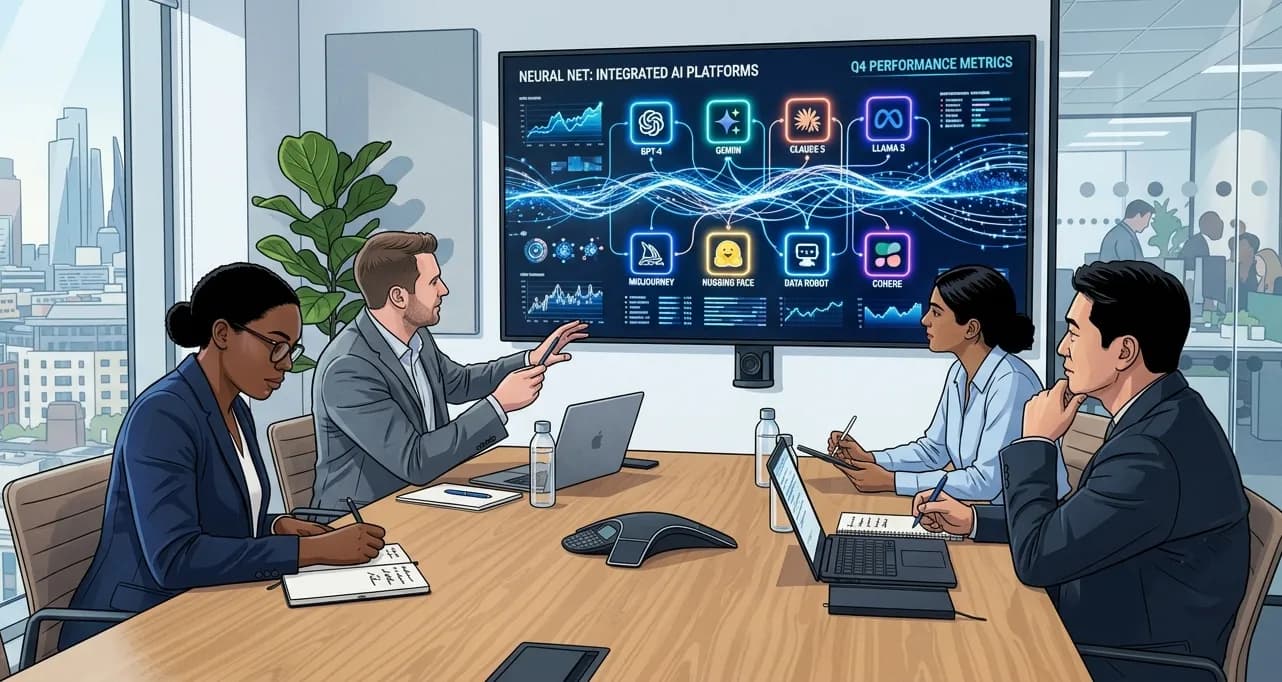
- Cross-platform coordination — an agent that can pull a task from your project tool, check your calendar, draft an update, and send it — all without you switching between five different apps
Real-World Example: A Day With a Digital Coworker
Picture a small marketing team. Instead of one person spending their morning checking five different tools, an AI agent:
- Reviews overnight campaign performance data across ad platforms
- Compiles a short performance summary and flags an underperforming ad set
- Schedules a 15-minute check-in with the team lead based on everyone's calendar availability
- Drafts a follow-up email to a client with the requested report attached
None of this required a person to manually open five tabs and stitch it together. That's the actual, practical shape of a "digital coworker" — not a futuristic concept, but a real change in how work gets distributed.
Why This Is Happening Now
- Adaptive reasoning is making AI cheaper to run at scale. Simple tasks get handled with lightweight processing, while complex, high-stakes decisions get deeper reasoning — keeping costs down without sacrificing quality where it matters.
- Persistent memory changes everything. Unlike earlier chat tools that forgot everything after one exchange, today's agents can retain context across ongoing work — sales conversations, support tickets, product development — instead of starting from zero every time.
- Multi-step task handling has matured. Agents can now complete tasks that span several actions and tools, not just answer a single question in isolation.
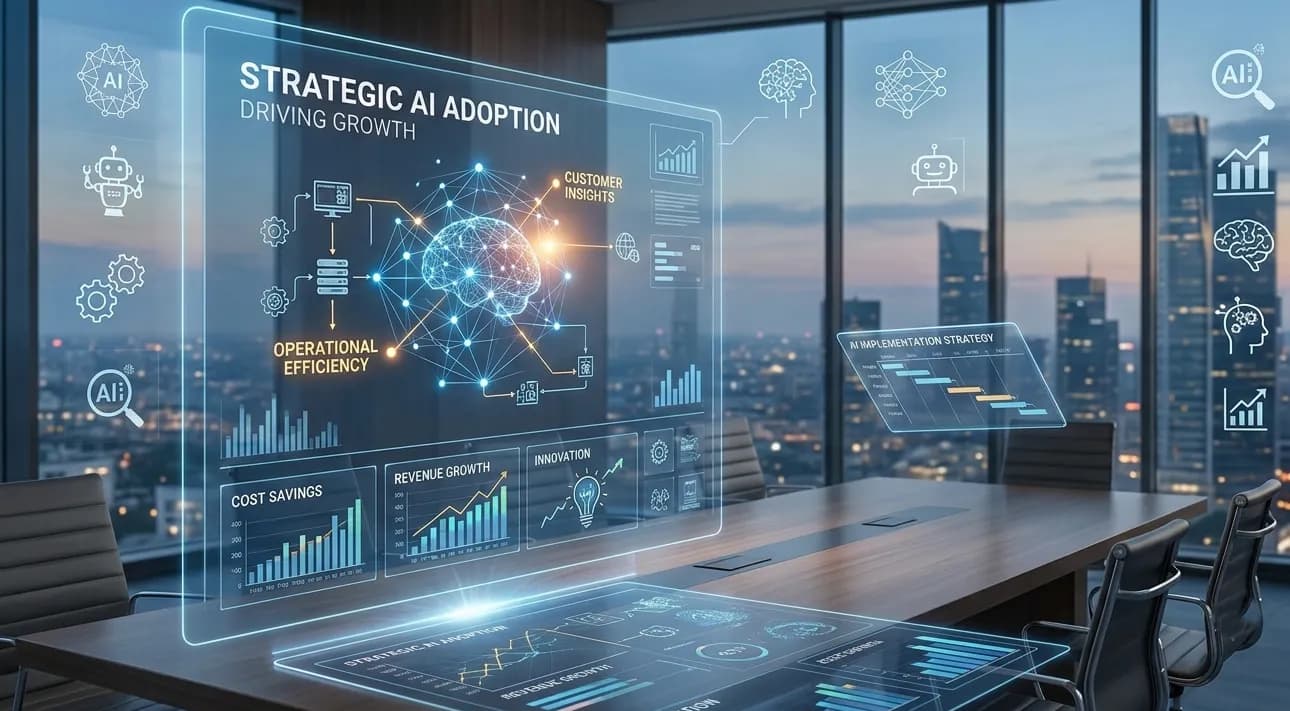
- Businesses want leverage, not just efficiency. The real appeal isn't saving five minutes here and there — it's moving faster with a smaller team and staying competitive without proportional hiring.
What Digital Coworkers Still Need From You
Handing off real work to AI doesn't mean handing off responsibility. The setups that actually work well have a few things in common:
- Clear goals and boundaries — agents perform best with well-defined tasks and explicit limits on what they can and can't do independently
- Permission and access controls — not every agent needs access to every tool or every piece of data
- Human review for high-stakes actions — sending an internal reminder is low-risk; sending a client-facing commitment is not
- Logging and oversight — knowing what an agent did, and why, matters just as much as the output itself
- Regular check-ins — a digital coworker still needs a manager, just a different kind
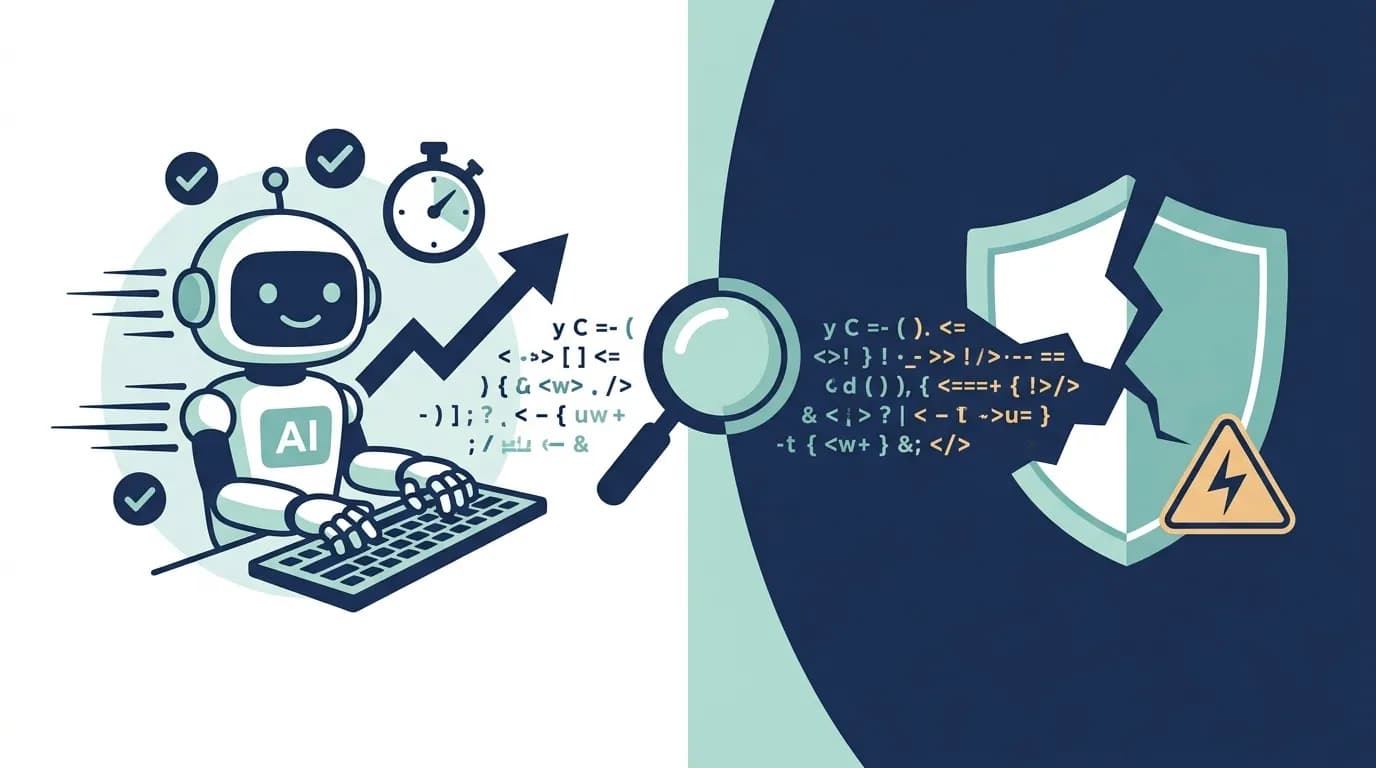
Worth Noting: Governance is no longer optional for agentic AI. The most reliable systems now include defined goals, tool access limits, permissions, activity logs, and human review built in from the start — not added after something goes wrong.
The Business Case
- Handle more work without proportionally growing headcount
- Free up skilled employees to focus on judgment-heavy, relationship-driven work
- Reduce the time lost to repetitive admin and cross-app busywork
- Build institutional memory into workflows instead of losing context every time someone's out
- Move faster on the day-to-day work that used to quietly eat entire mornings
The Bottom Line
Digital coworkers aren't replacing your team — they're taking the repetitive, cross-app, time-consuming work off their plate so people can focus on what actually needs a human. The businesses getting the most out of this shift aren't the ones handing over everything blindly; they're the ones being deliberate about what to delegate, and building the right oversight around it.
At Elite Web Technologies, we help businesses design and deploy AI agents that actually fit into daily operations — not just impressive demos.
Curious what a digital coworker could take off your plate?Contact Elite Web Technologies to talk through your workflow.