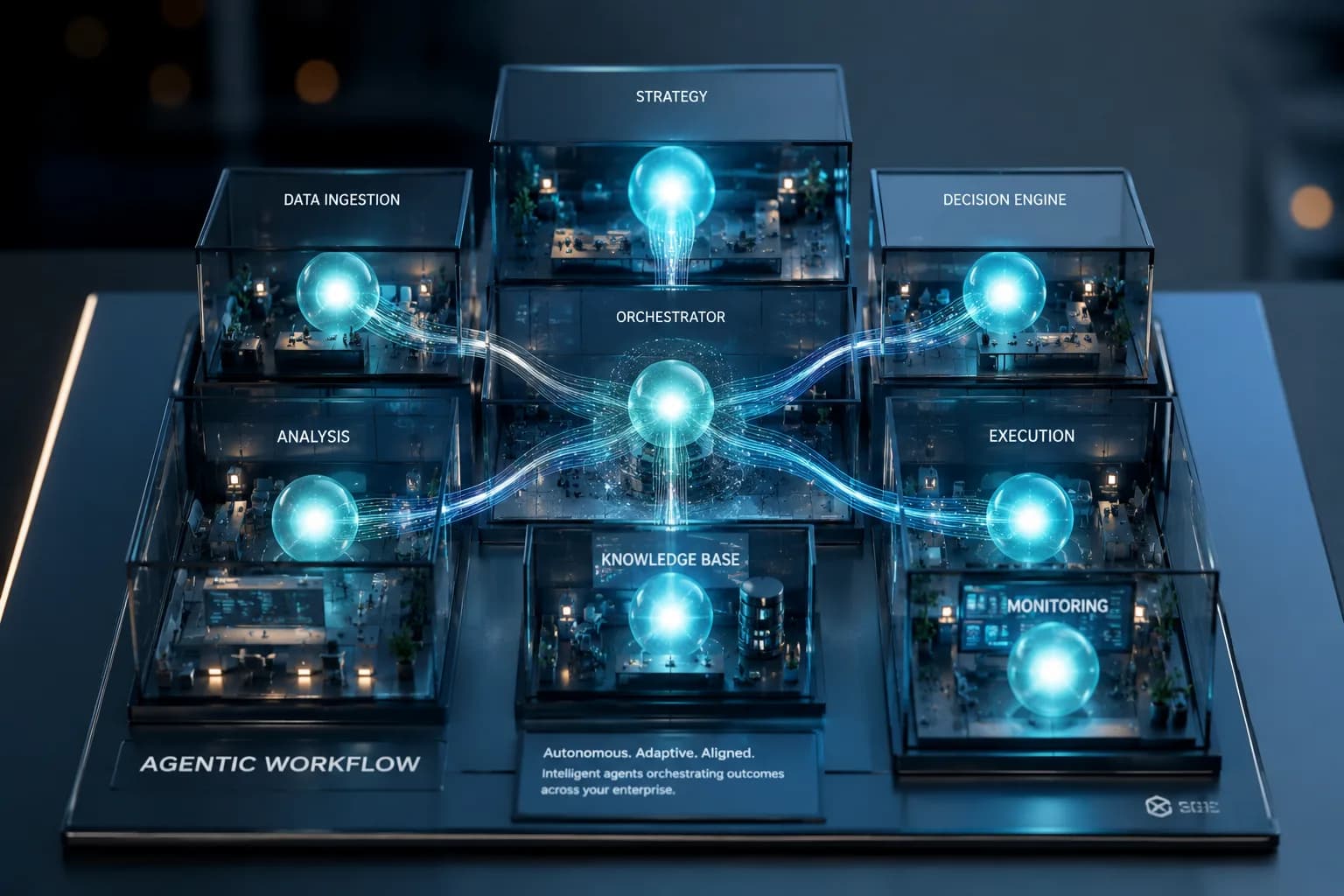
Software development has entered a new era. In 2026, AI is no longer a novelty in the developer's toolkit — it's a core part of how modern engineering teams plan, build, test, and ship products. From AI pair programming to autonomous coding agents that handle entire workflows, the shift is measurable: teams using AI-powered development are moving faster, catching errors earlier, and freeing up engineers to focus on high-value problem-solving instead of repetitive tasks.
At Elite Web Technologies, we've integrated AI-assisted development into our own engineering process — and the results speak for themselves. In this article, we break down what AI-powered development actually means, why it matters right now, and how businesses can use it to build better software, faster.
What Is AI-Powered Development?
AI-powered development refers to the use of artificial intelligence tools — including AI coding assistants, autonomous coding agents, and intelligent workflow orchestration — to support or automate parts of the software development lifecycle. This includes:
- Code generation and autocompletion based on natural language prompts or existing codebase context
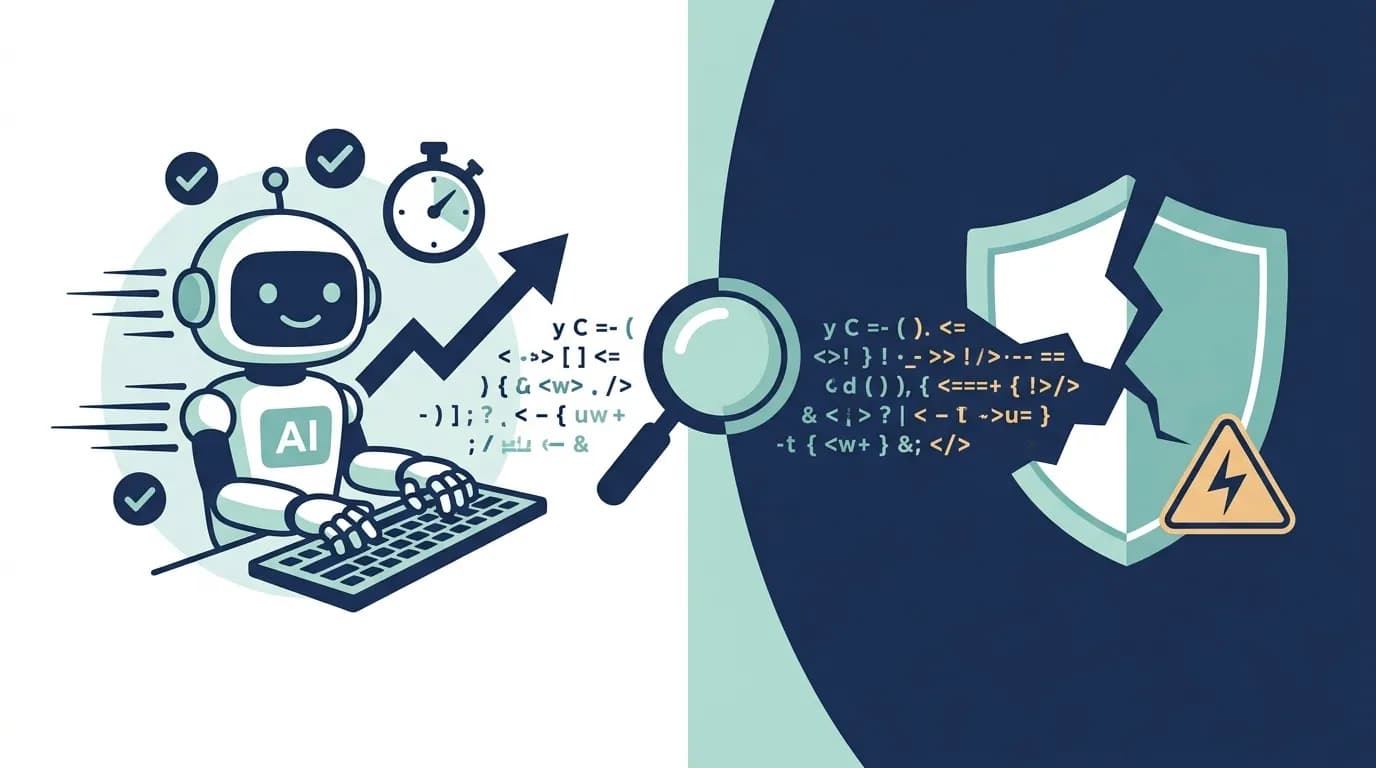
- Automated code review that flags bugs, security vulnerabilities, and inefficiencies before deployment
- AI-assisted testing that generates and runs test cases automatically
- Documentation generation that keeps technical docs in sync with the actual codebase
- Agentic workflows where AI systems handle multi-step development tasks with human oversight
Unlike earlier "autocomplete" style tools, today's AI development systems can understand full project context, follow architectural patterns, and execute structured coding tasks with minimal manual intervention.
Why AI-Powered Development Is Accelerating in 2026
Software teams have moved past the experimentation phase. AI coding tools are now embedded directly into production workflows across companies of every size — and the reasons are practical, not just trendy.
Key Drivers Behind the Shift
- Speed-to-market pressure: Businesses need to ship features faster to stay competitive, and AI reduces the time between idea and deployment.
- Engineering resource optimization: AI handles repetitive, low-judgment tasks so developers can focus on architecture, logic, and innovation.
- Improved code quality: AI-assisted review catches issues earlier in the pipeline, reducing costly bugs in production.
- Scalable development capacity: Teams can take on more projects without proportionally increasing headcount.
- Better documentation and knowledge continuity: AI keeps technical documentation current, reducing onboarding time for new developers.
How AI Is Changing the Developer Workflow
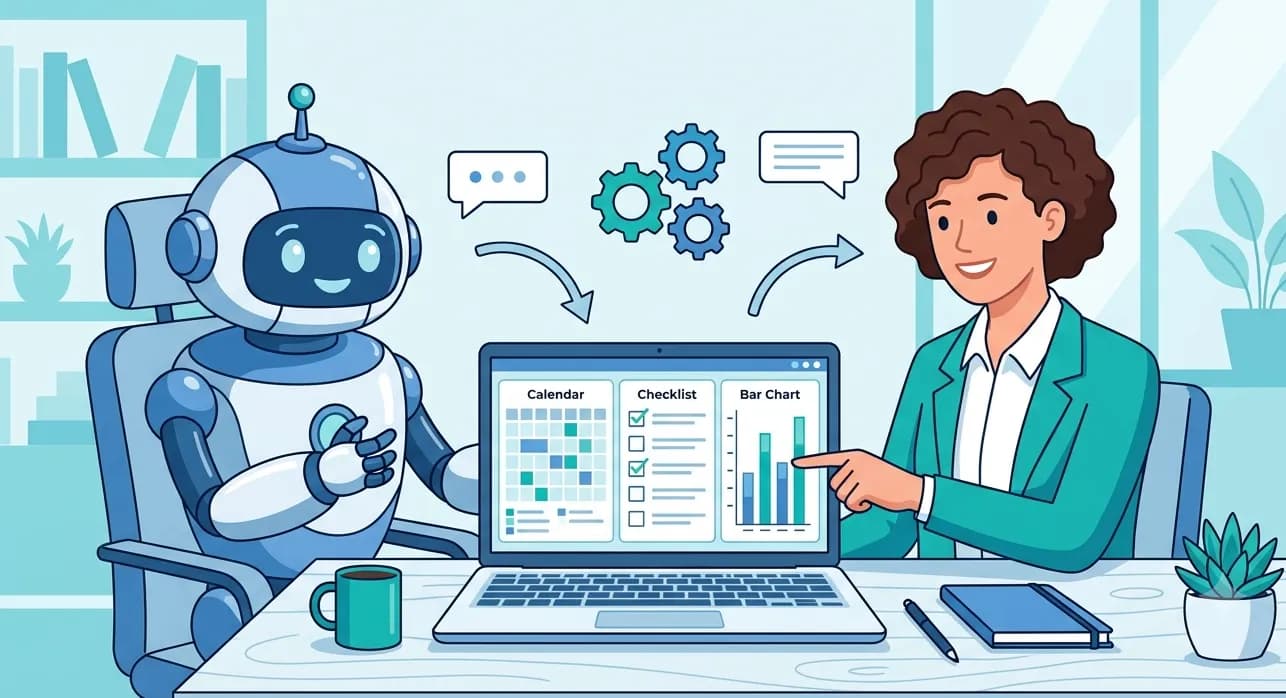
AI-powered development isn't about replacing developers — it's about changing how developers spend their time. Here's what that shift looks like in practice:
- AI generates boilerplate; developer refines logic
- AI flags issues during development
- AI generates and runs test suites
- Docs generated and updated automatically
- Developers oversee multiple AI-assisted workstreams
Best Practices for Adopting AI-Powered Development
Successfully integrating AI into your development process requires more than just installing a tool. Based on what's working for high-performing teams in 2026, here are the practices that matter most:
- Start with a defined workflow, not a blank slate. Apply AI to a specific, repeatable process — such as code review or test generation — before scaling to broader use cases.
- Keep humans in the loop. The most reliable teams use AI to accelerate work, but retain human review for architecture decisions, security-sensitive code, and final approvals.
- Choose the right stack for the job. Not every framework or language benefits equally from AI tooling; evaluate based on your project's technical requirements.
- Invest in clean, well-structured codebases. AI tools perform best when working with organized, well-documented code — messy codebases produce messier AI output.
- Measure real outcomes. Track metrics like deployment frequency, bug rates, and time-to-ship to confirm AI adoption is delivering actual value, not just activity.
Industry Highlight: Enterprises using AI-assisted coding tools report significantly faster deployment cycles, with many development teams now shipping production code multiple times faster than traditional manual workflows — a trend expected to accelerate through the rest of 2026.
The Business Impact of Faster Software Delivery
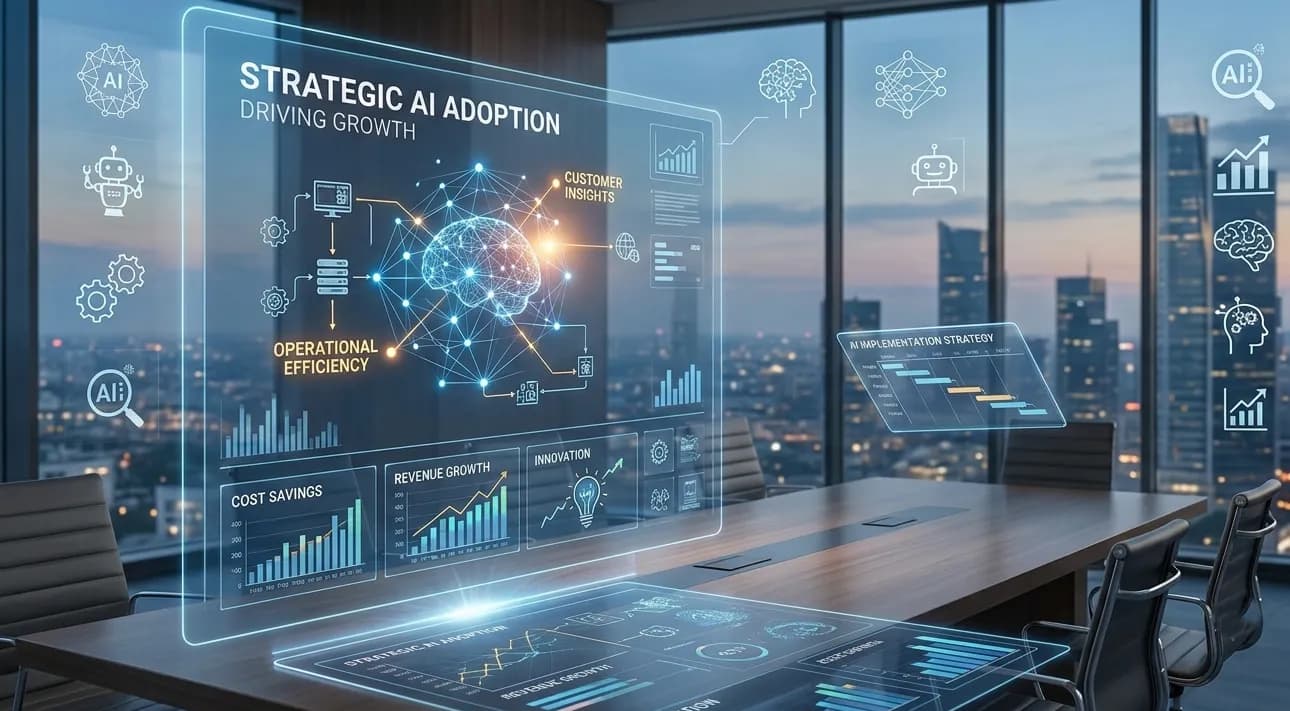
For business leaders, AI-powered development isn't just a technical upgrade — it's a strategic advantage. Faster development cycles translate directly into:
- Quicker time-to-market for new products and features
- Lower development costs through optimized engineering resources
- Greater agility to respond to market changes and customer feedback
- Higher-quality releases with fewer post-launch bugs and patches
- Increased capacity to innovate rather than maintain
Final Thoughts
AI-powered development has moved from experimental to essential. Teams that adopt it thoughtfully — with the right workflows, oversight, and tooling — are shipping faster, building better products, and staying ahead of the competition. At Elite Web Technologies, we combine AI-augmented engineering with experienced human expertise to deliver web and mobile solutions that are fast, reliable, and built to scale.
Ready to build your next product with a team that ships smarter?Contact Elite Web Technologies to discuss your project.