Practical Business Applications and Strategic Implementation
In today's rapidly evolving business landscape, Artificial Intelligence (AI) is no longer a futuristic concept but a tangible tool driving significant operational improvements and competitive advantages. For businesses looking to enhance efficiency, unlock new insights, and elevate customer experiences, understanding and implementing AI solutions is becoming paramount. This guide explores the practical applications of AI for businesses and outlines a strategic approach to its implementation.
Why AI Solutions for Businesses Matter Now
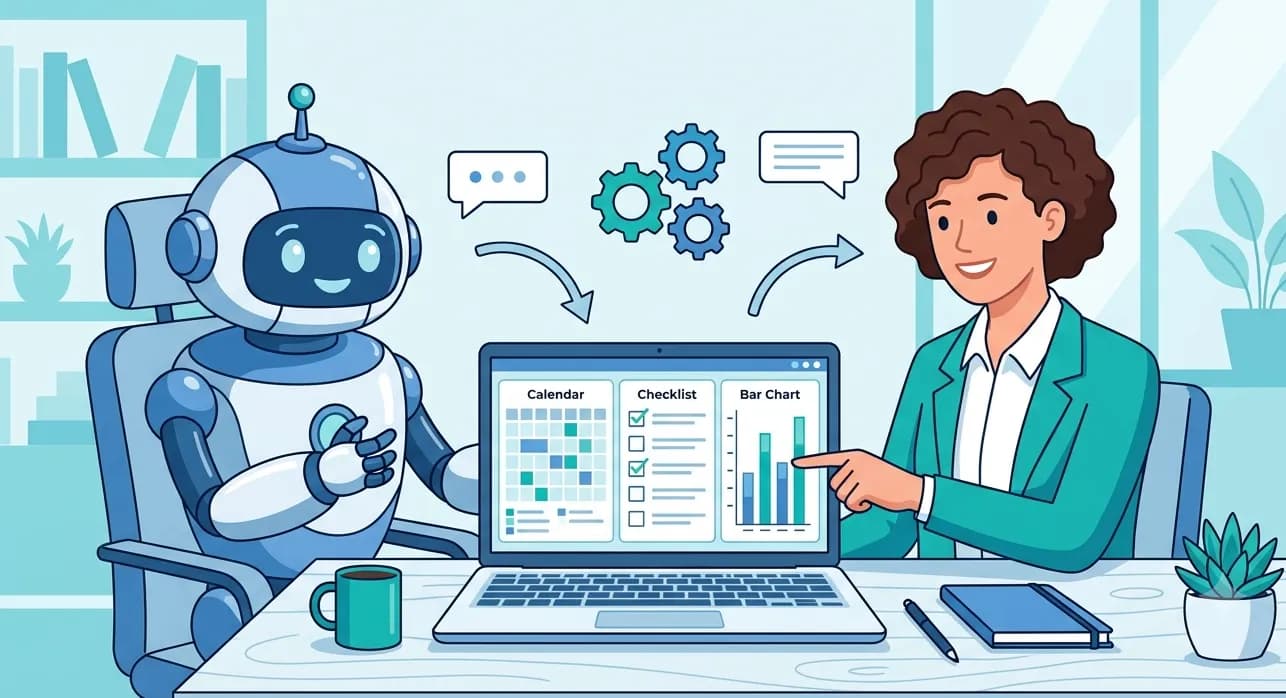
The transformative power of AI lies in its ability to process vast amounts of data, identify patterns, and perform tasks with speed and accuracy that surpass human capabilities. For businesses, this translates into tangible benefits across various functions:
- Increased Efficiency: Automating repetitive tasks frees up human resources for more strategic initiatives.
- Enhanced Decision-Making: Advanced data analysis uncovers insights that inform better business strategies.
- Improved Customer Experience: Personalized interactions and faster support lead to greater customer satisfaction.
- Innovation: AI can accelerate research and development, leading to new products and services.
Adopting AI solutions isn't just about keeping pace; it's about gaining a strategic edge. Businesses that leverage AI effectively can achieve greater agility, reduce operational costs, and foster a culture of continuous improvement.
What Businesses Should Evaluate First
Before diving into AI adoption, a thorough evaluation of your current business needs and objectives is crucial. The most effective AI implementation starts with a clear understanding of the problem you aim to solve or the opportunity you wish to seize.
Identify Core Business Goals
Begin by asking:
- What are our biggest operational bottlenecks?
- Where can we achieve the most significant cost savings or revenue growth?
- What aspects of our customer experience can be improved?
- What repetitive tasks consume too much valuable employee time?
Focusing on the business goal before choosing specific AI tactics ensures that your investment is aligned with strategic priorities.
Assess Data Readiness
AI solutions thrive on data. Evaluate the quality, quantity, and accessibility of your existing data. Do you have the necessary data infrastructure to support AI initiatives? Are your data governance policies robust enough?
Explore Key AI Applications
Consider how AI can address your identified needs:
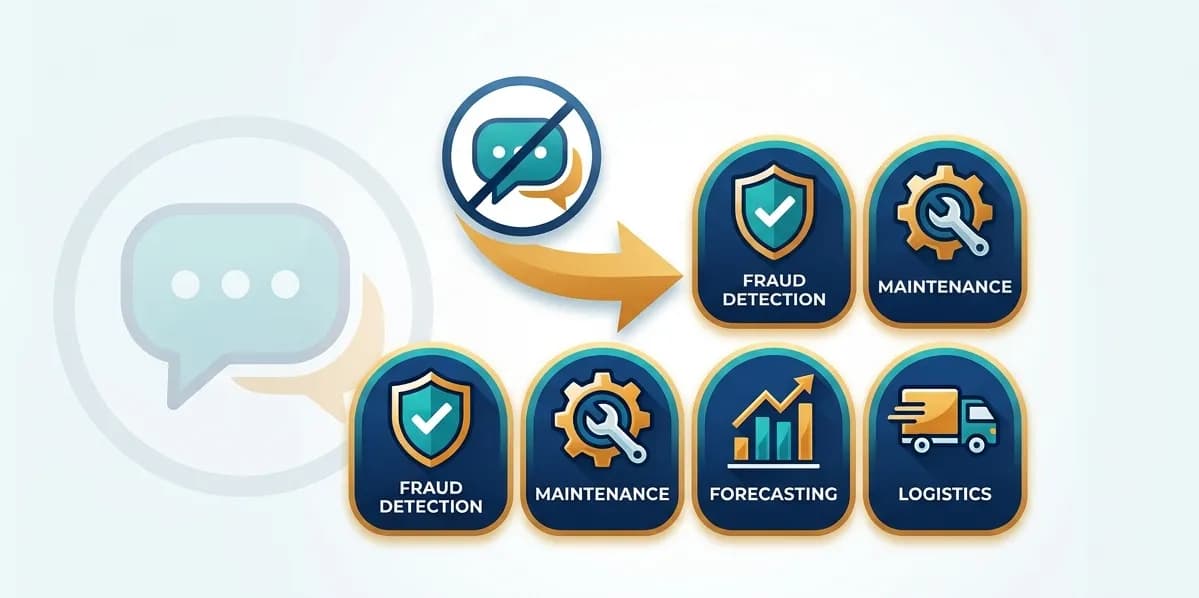
- Automation: AI excels at business process automation, from data entry and invoice processing to customer service routing and supply chain optimization.
- Data Analysis: Advanced AI algorithms can perform sophisticated data analysis, identifying trends, predicting outcomes, and providing actionable insights for marketing, finance, and operations.
- Customer Experience Enhancement: AI-powered chatbots, personalized recommendation engines, and sentiment analysis tools can significantly improve customer experience enhancement, leading to increased loyalty and engagement.
Practical Implementation Considerations
Implementing AI solutions requires careful planning and execution. Addressing potential challenges proactively can ensure a smoother transition and maximize your return on investment (ROI).
Step-by-Step AI Implementation Framework
Define Scope and Objectives:
Clearly articulate what you want the AI solution to achieve. Set specific, measurable, achievable, relevant, and time-bound (SMART) goals. For example, "Reduce customer support response time by 30% within six months using an AI chatbot."
Data Preparation and Integration:
Clean, organize, and format your data for AI consumption. This may involve data warehousing, data lakes, or specialized data integration tools. Ensure your data privacy and security protocols are up to date.
Choose the Right AI Technology/Solution:
Based on your goals and data, select the appropriate AI tools or platforms. This could range from off-the-shelf AI services to custom-developed models. For e-commerce businesses, integrating AI with platforms like WooCommerce Development can personalize shopping experiences or automate inventory management.
Develop or Integrate the AI Model:
This is where the AI solution is built or integrated into your existing systems. For complex or unique business needs, custom AI development, including custom LLM and GPT integration, often provides the most tailored and effective results.
Testing and Validation:
Rigorously test the AI solution to ensure accuracy, reliability, and performance. Validate its output against real-world scenarios and benchmark it against your initial objectives.
Deployment and Monitoring:
Roll out the AI solution gradually or in full, depending on its nature. Establish continuous monitoring to track performance, identify issues, and gather feedback for ongoing improvements.
Iterate and Optimize:
AI is not a one-time implementation. Regularly review performance data, gather user feedback, and make necessary adjustments to optimize the AI's effectiveness and expand its capabilities.
Common Mistakes to Avoid
While the potential of AI is vast, missteps in implementation can hinder success. Being aware of common pitfalls can help you navigate the process more effectively.
- Lack of Clear Strategy: Implementing AI without a defined business objective or understanding of its purpose.
- Ignoring Data Quality: Assuming AI can overcome poor data; "garbage in, garbage out" is particularly true for AI.
- Underestimating Integration Challenges: Failing to plan for how the AI solution will connect with existing IT infrastructure and workflows.
- Over-reliance on Off-the-Shelf Solutions: Not considering whether a custom AI solution is needed for unique business processes.
- Neglecting Change Management: Not preparing your workforce for the adoption of AI tools and the changes they bring to daily tasks.
Turning AI Potential into Business Reality
Embracing AI solutions for your business is a strategic journey that requires careful planning, technical expertise, and a clear focus on your business objectives. By identifying your core needs, understanding the practical applications of AI, and following a structured implementation approach, you can unlock significant improvements in efficiency, data-driven decision-making, and customer satisfaction. The key is to approach AI not as a standalone technology, but as a powerful enabler of your broader business strategy.
Navigating the complexities of AI implementation, from data integration to custom development, can be a significant undertaking. Elite Web Technologies specializes in providing tailored custom AI development and strategic business process automation solutions designed to meet your unique challenges and drive measurable results. We help businesses harness the power of AI to achieve their most ambitious goals.
If you're ready to explore how AI can transform your operations and gain a competitive advantage, we invite you to contact us for a consultation. Let's discuss your specific needs and build an AI strategy that propels your business forward.
Final Thoughts
Practical Business Applications and Strategic Implementation should be evaluated as a practical business decision, not just a technical trend. For teams exploring ai solutions & emerging technology, the strongest next step is to clarify the goal, review the right implementation path, and choose a solution that can support long-term growth.
If this topic connects with your current business priorities, the next step is to review the right implementation path with a practical delivery team at Elite Web Technologies