"We need an app." It's one of the most common things business owners say when they start planning a digital product. Sometimes it's true. Often, a website would do the job faster and for less money.
Building the wrong one first doesn't just waste budget. It can delay your launch by months and leave you with a product your customers don't use. This guide explains how the two differ, and gives you simple questions to decide which to build first.
The Short Answer
For most businesses, start with a website. It's quicker to launch, cheaper to build, and it's the version people find through Google. Build a mobile app first only when your product depends on things a browser can't do well, or when your customers will use it often enough to justify installing it.
Many of the most successful businesses do it in sequence: website first, validate demand, then add an app for loyal, frequent users.
Website vs. Mobile App: The Main Differences
- Cost — A website is generally cheaper to build and maintain. Native apps usually mean separate builds for iOS and Android, plus ongoing updates.
- Time to launch — A website can usually go live in weeks. An app takes longer because of design, testing on many devices, and app store review.
- Discovery — A website can be found through search engines. An app has to be found in an app store, or promoted by you elsewhere.
- Installation — A website opens in any browser. An app has to be downloaded, which is a barrier for new customers.
- Updates — Website changes go live instantly. App updates can need store approval and users who actually update.
- Device features — Apps do better with push notifications, camera, location, offline use, and deeper phone integration.
- Engagement — Apps tend to suit products people use often, because they sit on the home screen and can send reminders.
When a Website Should Come First
Start with a website if:
- You want customers to find you through Google. Search traffic goes to websites, not apps.
- You're still testing your idea. A website lets you learn what customers want before you invest more.
- Your budget is limited. One web build usually costs less than separate iOS and Android apps.
- Customers use your service occasionally. Few people install an app for something they use twice a year.
- You need credibility and information. Pricing, services, reviews, and contact details all belong on a website anyway.
When a Mobile App Should Come First
An app-first approach makes sense if:
- People will use it frequently. Think daily or weekly habits, such as ordering, tracking, or fitness.
- It needs phone features. Location tracking, camera, offline mode, or push notifications are central to the product.
- Real-time interaction is the point. On-demand delivery, ride booking, and messaging are usually app-first.
- Your audience is mobile-only. If most of your users will never open a laptop for this, a mobile product makes sense.
Worth Noting: Many businesses ask for an app because competitors have one. The better question is what your customers need to do, how often, and where. If a website answers it, start there.
Don't Forget the Middle Options
It's not always a choice between two extremes.
- A mobile-friendly web app — a website that behaves like an application, with logins, dashboards, and booking, but runs in the browser.
- A Progressive Web App (PWA) — a web app that can be added to a phone's home screen and work somewhat like an app, without going through the app stores.
- Cross-platform development — building one app that runs on both iOS and Android using a framework such as Flutter, which can reduce cost and time compared with two fully separate builds.
A Simple Way to Decide
Answer these four questions:
- How will customers find you? If mainly through search or links, build a website first.
- How often will they use it? Daily or weekly points toward an app. Occasionally points toward a website.
- Does it need phone hardware or notifications? If yes, an app becomes more attractive.
- What's your budget and timeline? If both are tight, a website, web app, or PWA is the safer starting point.
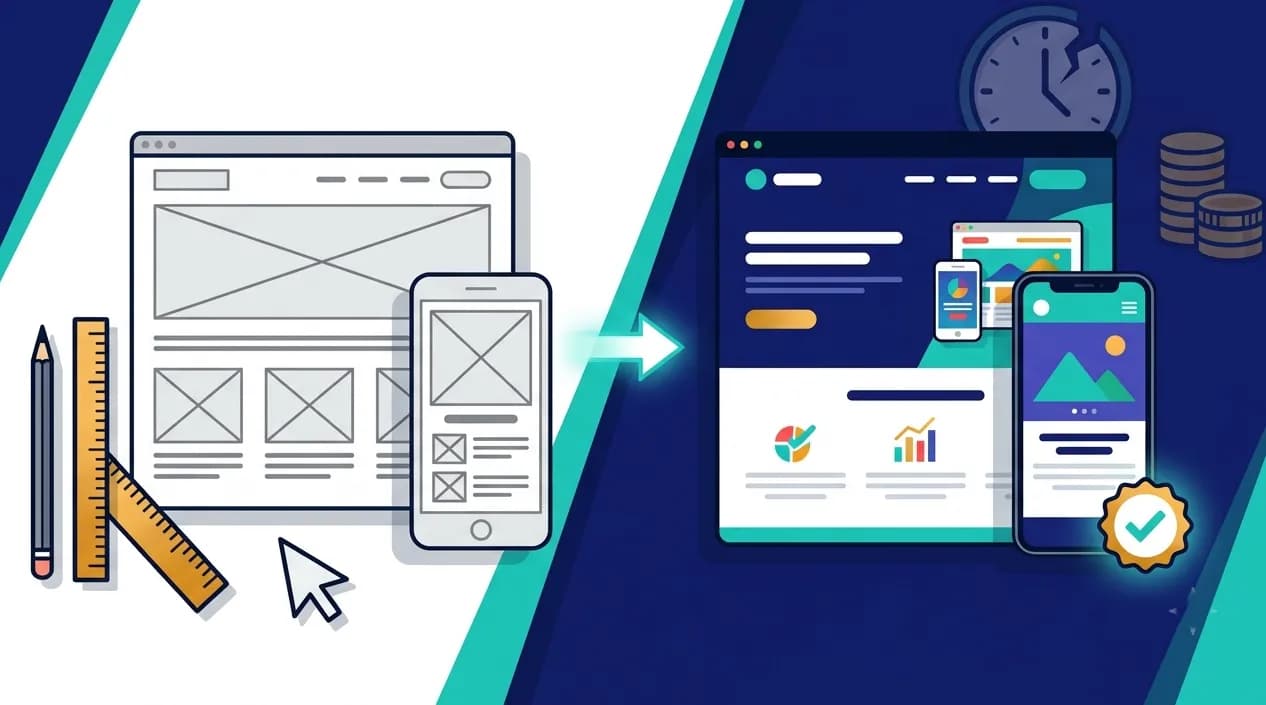
If you're still unsure, a lightweight prototype can help you test the idea before committing. A wireframe or clickable prototype shows how customers would use the product, and it's far cheaper to change than a finished build.
The Bottom Line
There isn't one right answer for every business. There's a right answer for your customers, your budget, and your goals. For most, that means a strong website first, then an app once there's proven demand and a reason for people to install it. For products that are mobile-first by nature, going straight to an app can make sense, as long as you've confirmed customers want it.
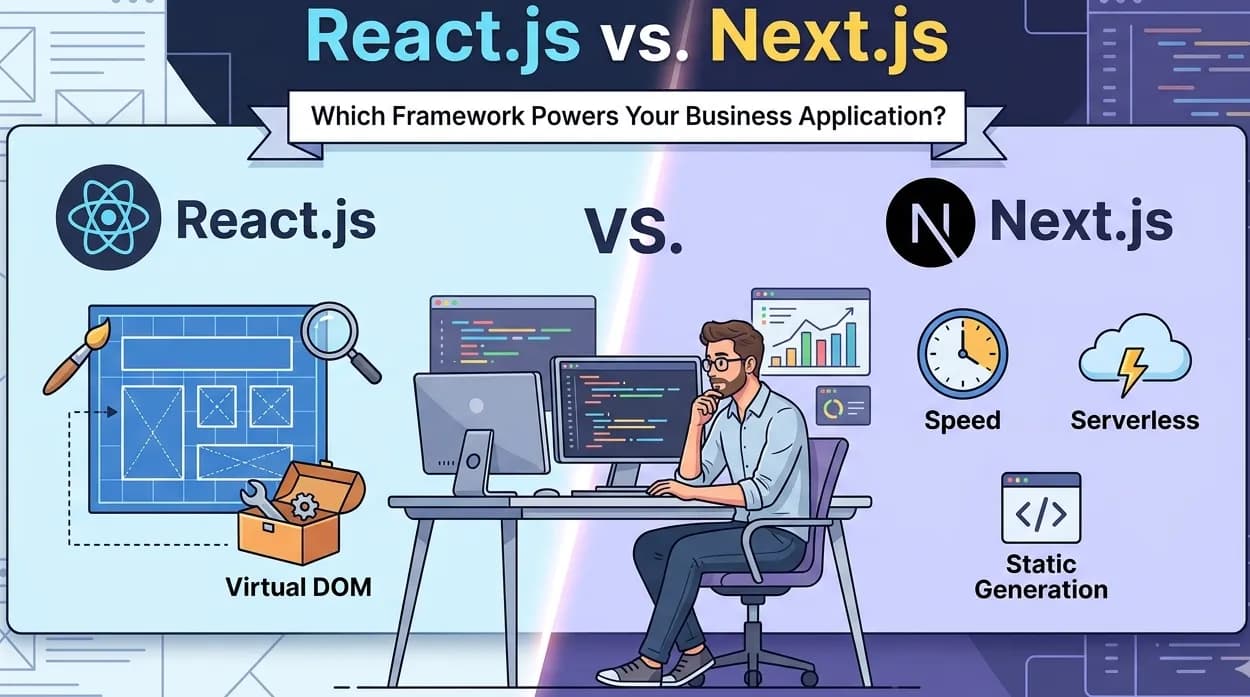
At Elite Web Technologies, we build both. Our React.js / Next.js Development team handles websites and web apps, and our Flutter, iOS, and Android teams build mobile apps. For marketplaces and multi-user platforms, see our Marketplace Development service, and use Wireframing & Prototyping to test your idea before you build. Our portfolio shows examples of each.
Not sure whether you need a website, an app, or both?Contact Elite Web Technologies and we'll help you choose.